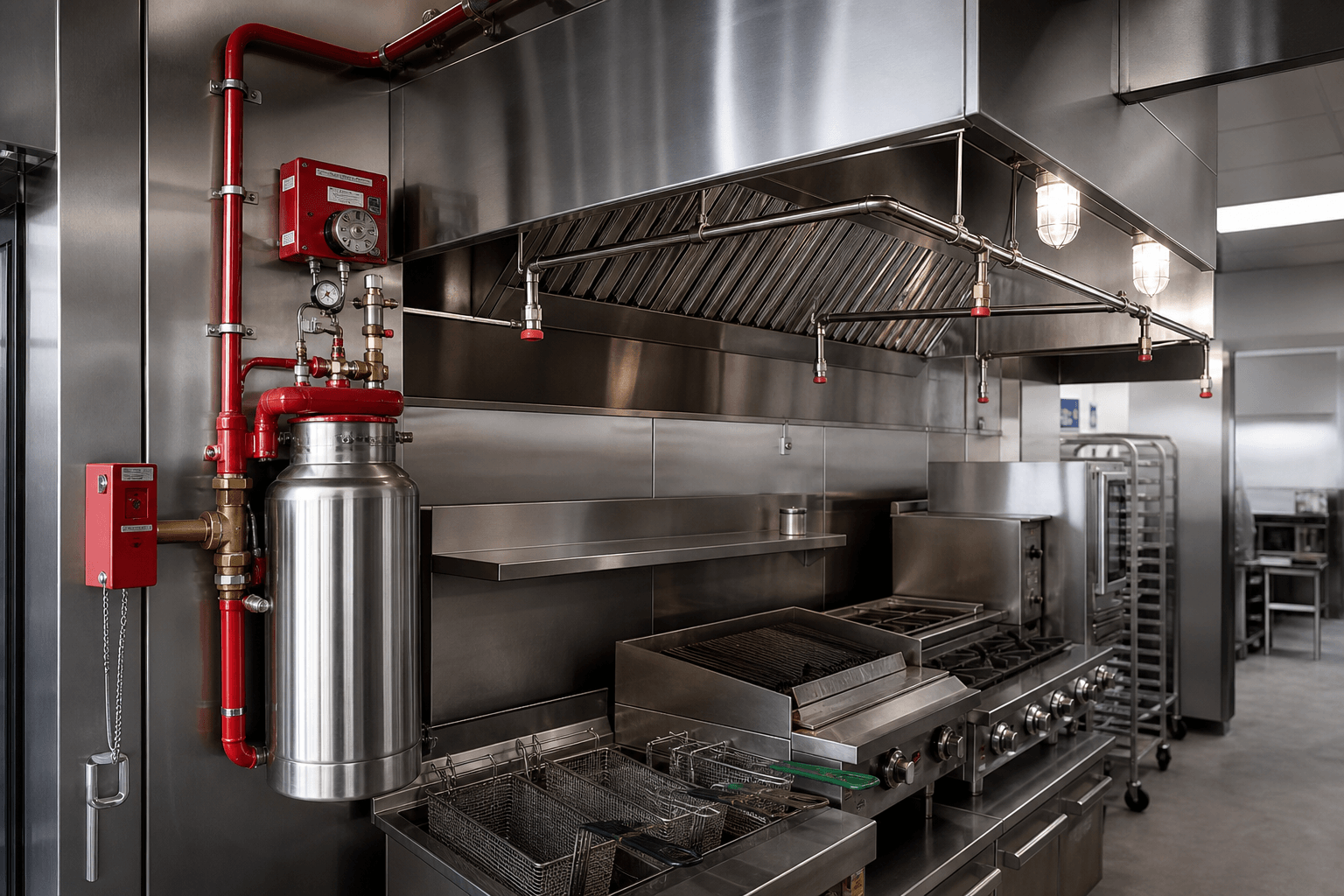

Fire safety compliance for food trucks and concession trailers in Maryland, Virginia, and Washington, DC — NFPA 96 hood cleaning, wet chemical suppression inspection, mobile food unit permits, and event fire safety setup. Call (800) 200-2134 to schedule service anywhere in the region.
Why Fire Safety Compliance Matters for Food Trucks
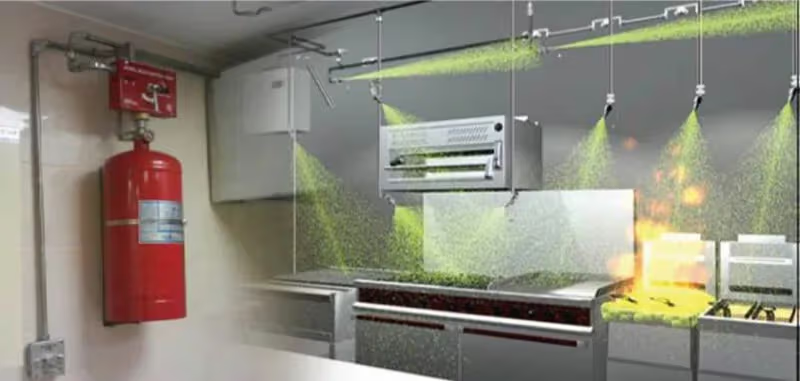
Food trucks and concession trailers face the same commercial kitchen fire risks as brick-and-mortar restaurants — grease-laden vapor accumulation, suppression system reliability, and exhaust fan integrity — compressed into a smaller, higher-risk enclosed space with limited egress. The confined cooking environment and vehicle-mounted equipment make grease accumulation and suppression system reliability even more critical than in a fixed commercial kitchen.
In Maryland, Virginia, and Washington DC, mobile food unit operations require both a mobile food unit health permit and annual fire safety inspection. In DC, the DC Fire Marshal actively inspects food trucks operating in designated vending zones. Virginia and Maryland jurisdictions require fire safety documentation at the point of mobile food unit permit issuance and renewal. Inspectors across all three jurisdictions can issue on-the-spot citations for expired suppression tags or visible grease accumulation.
Fire Safety Compliance Checklist: Mobile Food Units
| Compliance Item | Requirement | DC / MD / VA |
|---|---|---|
| Hood & duct cleaning certificate | NFPA 96 — every 3 months (most food trucks) | All three jurisdictions |
| Wet chemical suppression inspection tag | NFPA 17A — every 6 months | All three jurisdictions |
| Fusible link replacement | NFPA 17A — annually | All three jurisdictions |
| Portable fire extinguisher | Class K (cooking), inspected annually | All three jurisdictions |
| LP gas system inspection | Annual inspection by certified technician | MD, VA (DC requires annual) |
| Mobile food unit health permit | Annual renewal | All three jurisdictions |
| Event fire safety clearance | Required for permitted events and farmers markets | DC, most MD/VA jurisdictions |
NFPA 96 Hood Cleaning for Food Trucks: Frequency
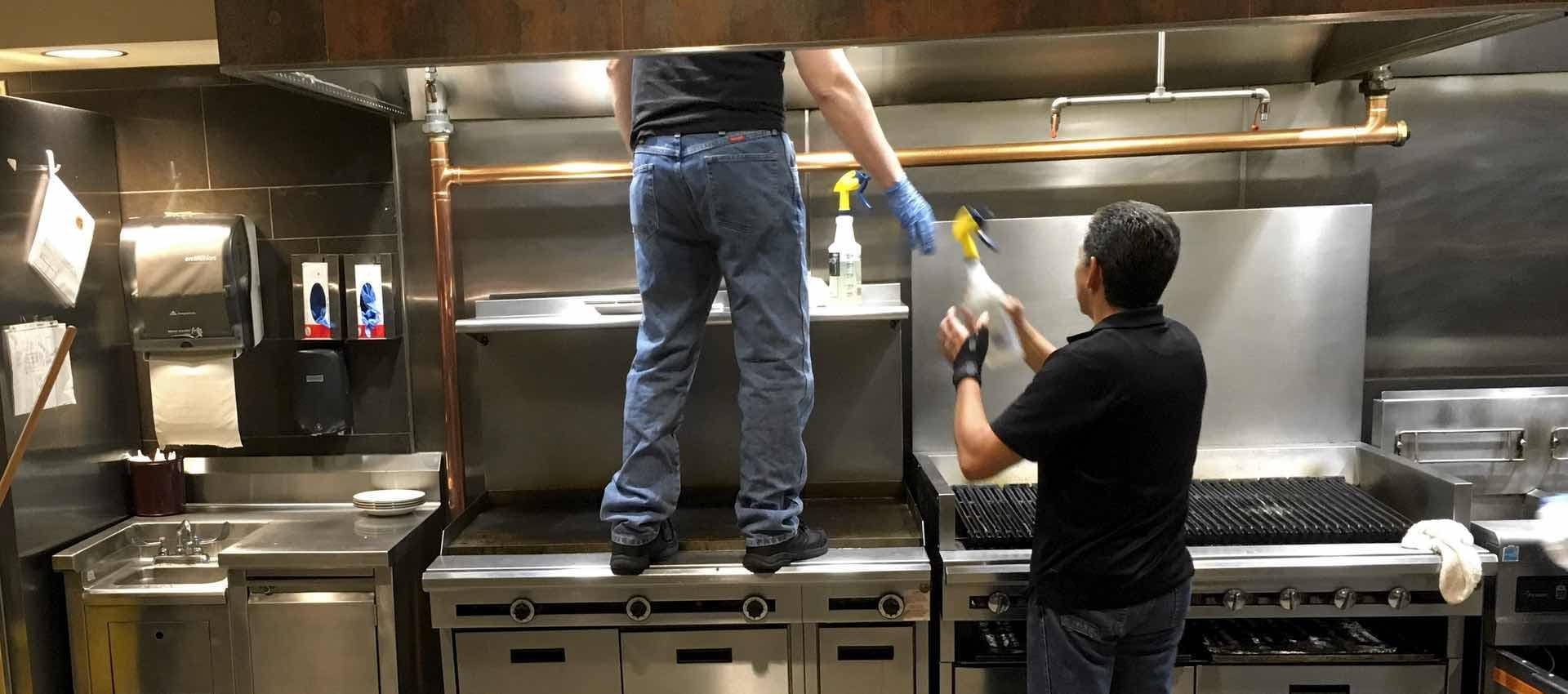
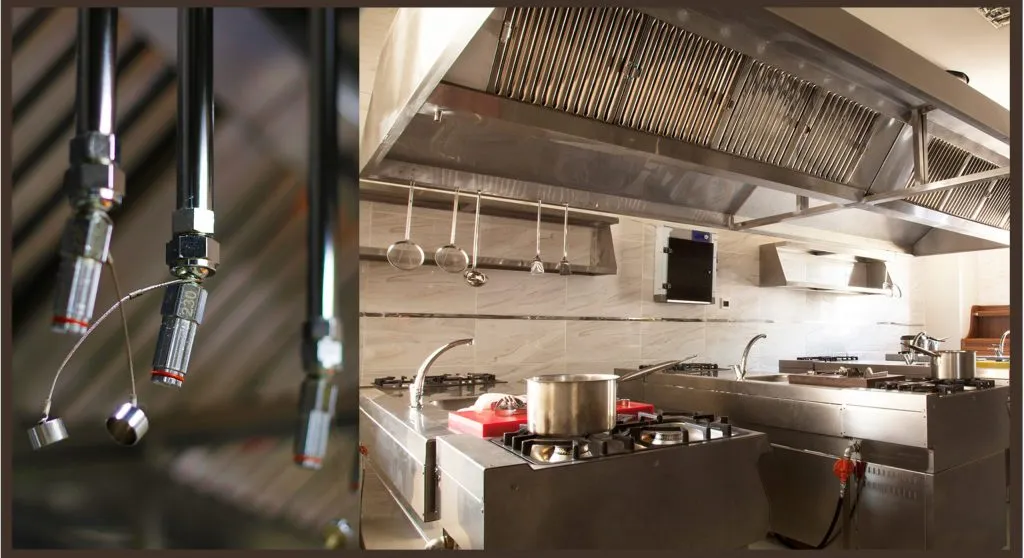
Because food trucks typically cook at high intensity relative to their small hood area — fryers, flat tops, and charbroilers running for hours at a time in a small enclosed space — most food truck operations qualify for quarterly (every 3 months) NFPA 96 hood cleaning under Table 11.4. Some low-volume concession trailers operating only at weekend events may qualify for semi-annual cleaning, but inspectors in DC, Maryland, and Virginia typically default to quarterly for any truck with char-producing or frying equipment.
What We Clean
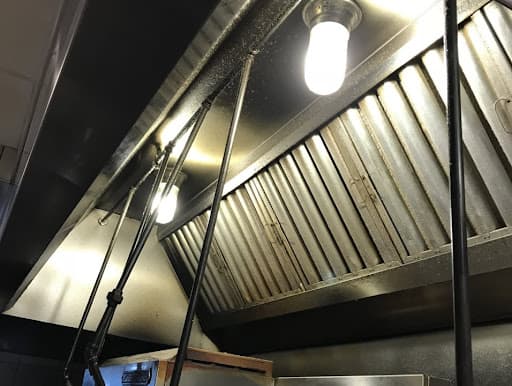
- ✓Grease filters and filter frame
- ✓Hood canopy interior and exterior
- ✓Plenum and grease troughs
- ✓Duct run from plenum to fan
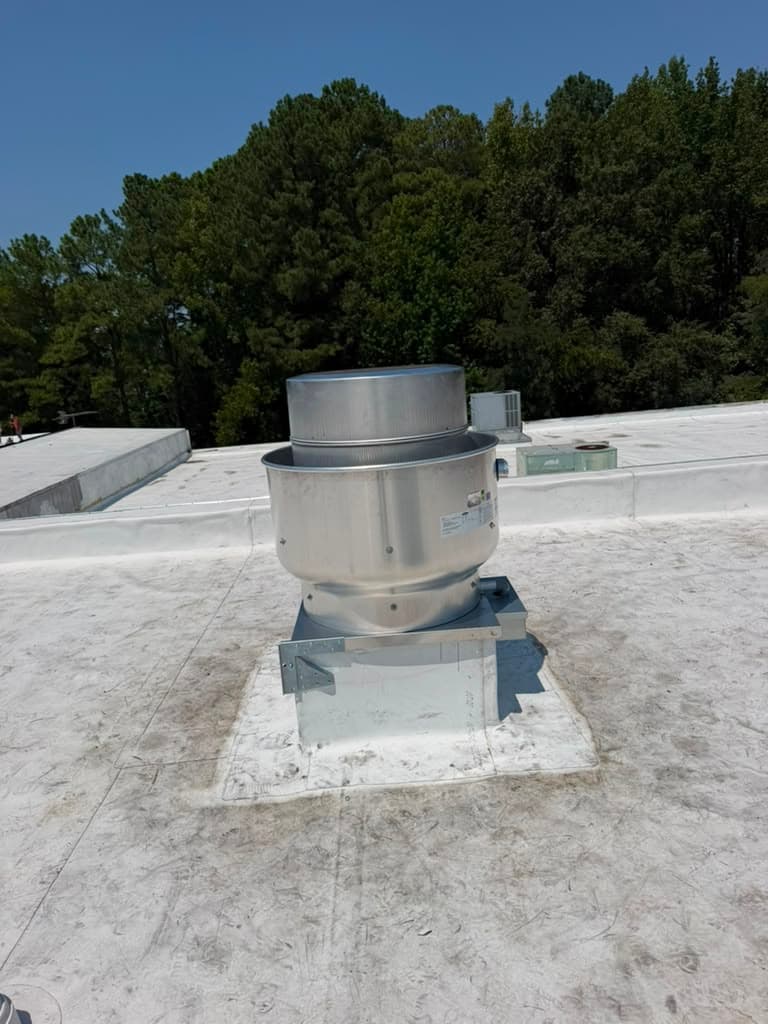
- ✓Exhaust fan blades and housing
- ✓Grease collection cup or drain
Documentation Delivered
- ✓NFPA 96 Certificate of Cleaning
- ✓Field inspection report
- ✓Before-and-after photos
- ✓Deficiency notes (if any)
- ✓Documentation formatted for DC, MD, or VA permit submission
Frequently Asked Questions — Food Truck Fire Safety
Can a DC fire marshal inspector pull over my food truck for a compliance check?
Yes. DC Fire Marshal inspectors can and do conduct spot inspections of food trucks operating in permitted vending zones, particularly in high-density areas like downtown DC, the National Mall, and L’Enfant Plaza. During a spot inspection, the inspectors typically check suppression system tag currency, visible grease accumulation, and fire extinguisher compliance. An expired suppression tag or heavily grease-laden hood can result in an immediate stop-operation order until the deficiency is corrected. Keep your current NFPA 96 cleaning certificate and NFPA 17A suppression inspection tag on the truck at all times.
Do I need a separate hood cleaning for each event permit in Maryland?
Generally no — your current NFPA 96 cleaning certificate covers the truck for the certificate period regardless of how many events you attend in that time. Farmers markets, street festivals, and county events typically request a copy of your current cleaning certificate and suppression inspection tag as part of the event vendor fire safety documentation packet. Keeping these documents current and readily available on your truck is the key to smooth event permit approval. Some county-run events require documentation to be submitted 30–60 days in advance; plan your quarterly cleaning schedule accordingly.
Where do you service food trucks in DC, MD, and VA?
We service food trucks and concession trailers throughout the DC metro region — all DC neighborhoods, Montgomery County and Prince George’s County in Maryland, and Northern Virginia including Fairfax County, Arlington, and Prince William County. We can also schedule service for trucks in outer Maryland counties (Howard, Anne Arundel, Frederick, Charles) and throughout the Shenandoah Valley and Richmond areas of Virginia. Call (800) 200-2134 to schedule service at your commissary kitchen location or at a location convenient to your route.
Food Truck Fire Safety — DC, MD & VA
NFPA 96 hood cleaning and NFPA 17A suppression inspection for mobile food units — quarterly service, same-day documentation.
(800) 200-2134 — Schedule Service