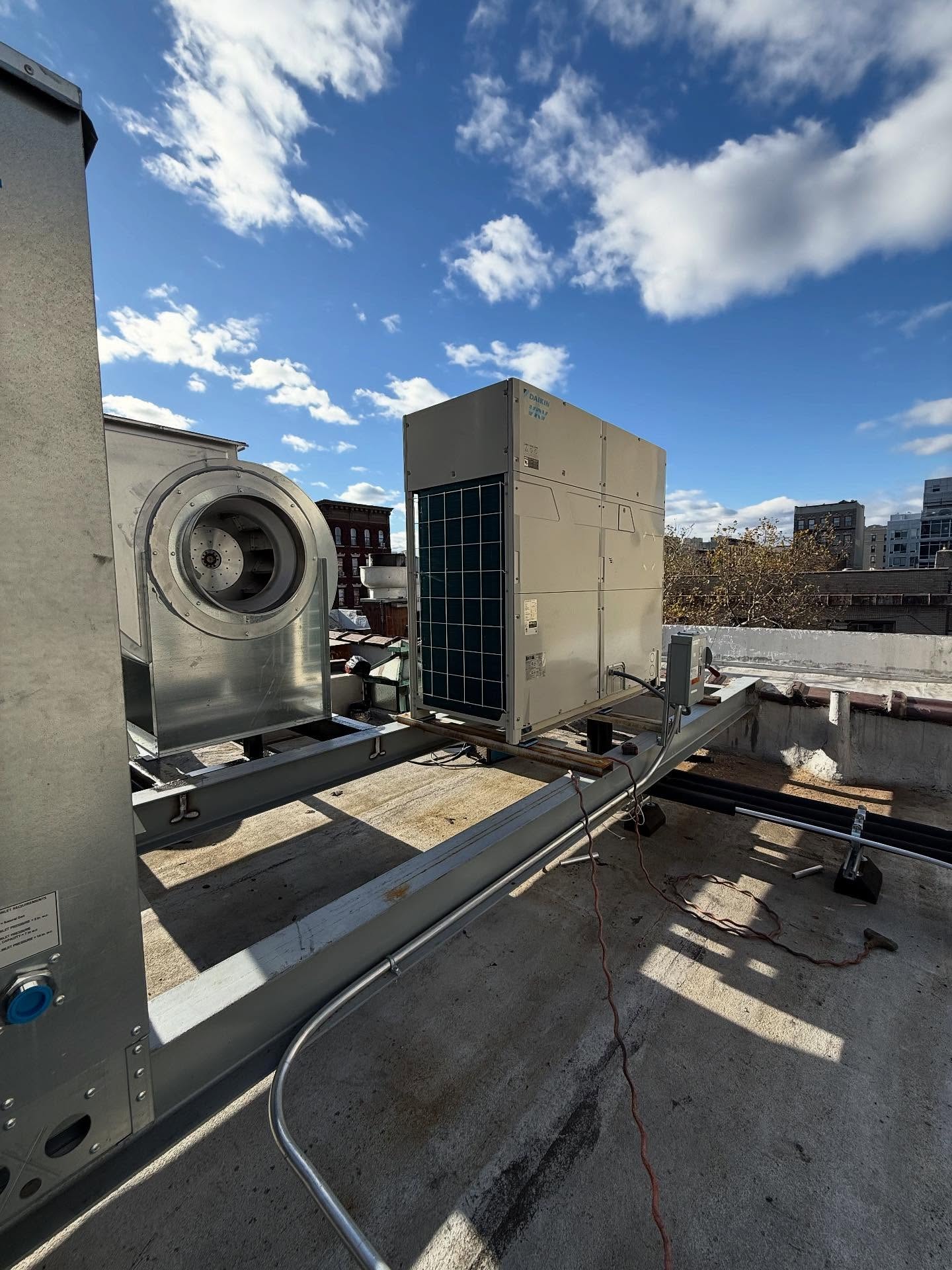

The most expensive kitchen exhaust maintenance strategy is waiting for something to break. Emergency service surcharges, kitchen downtime during replacement, fire inspection violations, and the compounding cost of addressing deferred maintenance under time pressure — all of these are predictable and preventable. Schedule your service today. Call (800) 200-2134.
The True Cost of Waiting
Restaurant operators who clean their hoods only when forced to — by an upcoming inspection, a visible grease overflow, or an actual system failure — consistently pay more than operators who maintain a proactive recurring service schedule. The cost difference is not just the emergency service surcharge (typically 50–100% above standard service rates). It includes the operational disruption of an unplanned kitchen shutdown, the potential loss of a full service period while waiting for an emergency technician, the risk of a fire inspection violation if a FEMS, MCFRS, or FCFRD inspector arrives during a period where the last cleaning was more than the allowed interval ago, and the compounding difficulty of cleaning a system that has accumulated far more grease than it would have with regular service.
The restaurant fire safety record provides a sobering context for the value of proactive exhaust system maintenance. The National Fire Protection Association reports that cooking equipment is the leading cause of structure fires in eating and drinking establishments. Grease duct fires — which occur when grease accumulation in the exhaust duct ignites — represent a significant subset of these events, and virtually all are preventable with NFPA 96-compliant cleaning on the correct schedule. The restaurant operator who defers hood cleaning is not just risking a fire inspection citation — they are accepting a statistically measurable increase in grease duct fire risk.
| Scenario | Reactive Approach | Proactive Approach |
|---|---|---|
| Cleaning cost | Standard + 50–100% emergency surcharge | Standard recurring rate |
| Fan belt failure | Emergency call + kitchen downtime | Replaced at scheduled cleaning visit |
| Fire inspection | Scramble to schedule — risk of violation | Current certificate always on file |
| Grease accumulation | Compacted buildup requires extra cleaning time | Regular service keeps grease manageable |
| Scheduling control | Emergency timing, not your choice | You choose the time — off-hours, slow week |
| Grease duct fire risk | Elevated — heavy accumulation in duct between infrequent cleanings | Minimized — regular cleaning prevents dangerous buildup |
What a Recurring Schedule Looks Like
Semi-Annual Service (Every 6 Months)
For most full-service, casual dining, and fast-casual kitchens — the standard NFPA 96 schedule for moderate-volume operations. We schedule two visits per year on a fixed calendar aligned to your preference (e.g., January and July). Before each visit we confirm timing, and after each visit we deliver the certificate and photo documentation same night. You never have to remember to call — we reach out in advance to confirm the upcoming visit. This is the most common recurring schedule for DC, MD, and VA restaurant accounts and covers the large majority of restaurants that do not use charbroilers or wok cooking.
Quarterly Service (Every 3 Months)
For high-volume kitchens, charbroiler-heavy operations, wok cooking, and solid-fuel equipment. Four visits per year on a fixed quarterly calendar. Higher-frequency cleaning requires less aggressive cleaning effort per visit — grease accumulation is lighter because it has had less time to build. The per-visit cost for quarterly accounts tends to be modestly lower than for semi-annual accounts with the same system size, because the cleaning is less intensive. Quarterly accounts also benefit in that our technicians are in the kitchen frequently enough to catch developing fan or suppression access issues early.
Annual Service
For low-volume kitchens, cafés, and food service with minimal grease-producing cooking — the annual schedule is the NFPA 96 minimum for these operation types. Annual accounts include the same documentation package (certificate, photos, field report) as higher-frequency accounts. We still schedule annual accounts on a fixed calendar and reach out in advance before the annual visit. For borderline-annual operations, we assess cooking equipment at the first visit and recommend the correct frequency based on actual conditions.
Multi-Location Portfolio Management
For restaurant groups and franchisees managing multiple locations across the DC, MD, and VA region, we provide centralized certificate tracking and scheduling coordination. Multi-location accounts receive a single point of contact for scheduling across all locations, consolidated reporting for portfolio-level compliance monitoring, and priority scheduling access for any location that has an urgent compliance need. Certificates for all locations are delivered to a designated email address after each visit, providing the restaurant group with a full audit trail across the portfolio. Call (800) 200-2134 to discuss portfolio pricing.
The Inspection Reality — DC, MD & VA
Fire inspection in the Washington DC metropolitan area is active and consistent across all three jurisdictions. DC’s Fire and Emergency Medical Services (FEMS) inspects commercial kitchens across all eight wards on an ongoing schedule and responds to complaints. Montgomery County Fire and Rescue Services (MCFRS), Prince George’s County Fire and EMS, and Fairfax County Fire and Rescue Department (FCFRD) all maintain active commercial kitchen inspection programs. Restaurants that operate without a current NFPA 96 certificate face citations, correction deadlines, and reinspection requirements — all of which create more operational disruption than simply staying current on the cleaning schedule.
A fire inspection visit is rarely announced in advance for commercial kitchen inspections. The inspector arrives, asks to see the NFPA 96 cleaning certificate, and if the certificate is expired or missing, a citation is issued on the spot. There is no grace period for “we were about to schedule it” — the citation date is the date of the inspection, and the correction deadline begins running immediately. Staying on a proactive recurring schedule eliminates this risk entirely.
Schedule Your Service in 2 Minutes
To get on the recurring schedule, call (800) 200-2134 and have your kitchen address and preferred service timing ready. We’ll confirm the correct cleaning frequency for your cooking equipment, provide a service quote, and put you on the calendar. There is no contract or long-term commitment required — just a standing recurring appointment that keeps your kitchen compliant and your team from ever having to scramble for an emergency service call. Service throughout Washington DC, Maryland, Virginia, southeastern Pennsylvania, and New York City.
- ✓NFPA 96 certificate and photo documentation delivered same night after every visit
- ✓Fan inspection and deficiency report included at every cleaning visit
- ✓24/7 emergency dispatch available to recurring customers at preferred priority
- ✓Multi-location portfolio management for restaurant groups
- ✓No long-term contract required — cancel or reschedule with advance notice
- ✓Service DC, MD, VA, PA, and NYC on established routes
Schedule Service Today — Before an Emergency Does It for You
DC, Maryland, Virginia, Pennsylvania, and NYC — recurring hood cleaning, same-night certificate, fan inspection included.
(800) 200-2134 — Schedule Now