
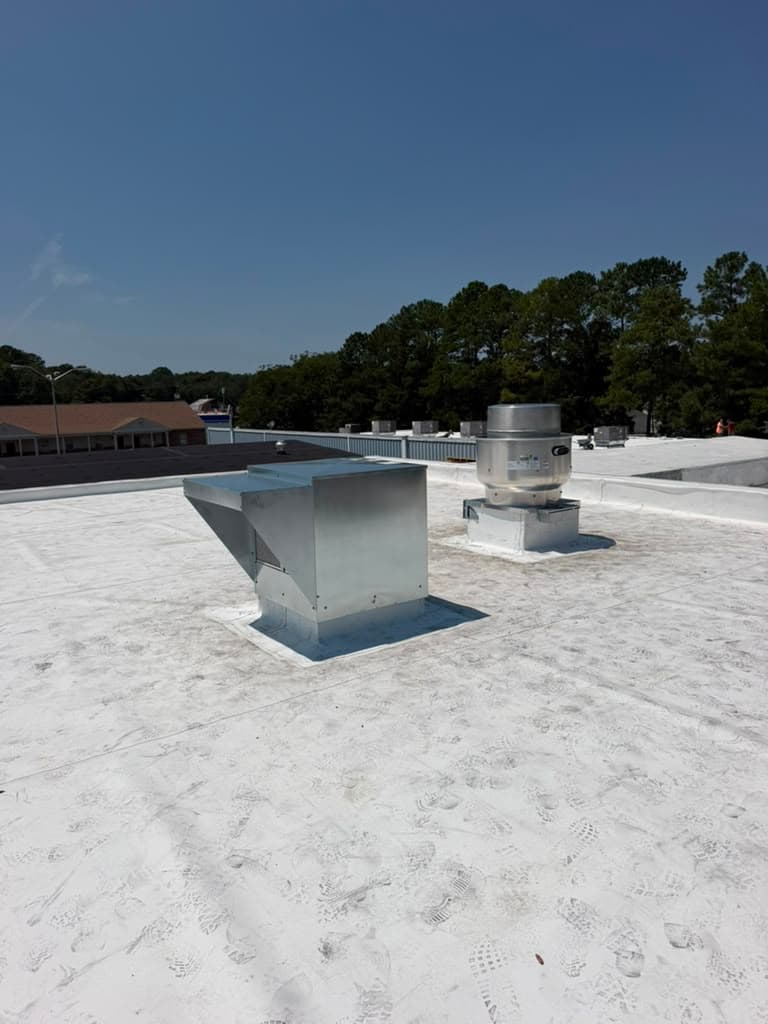
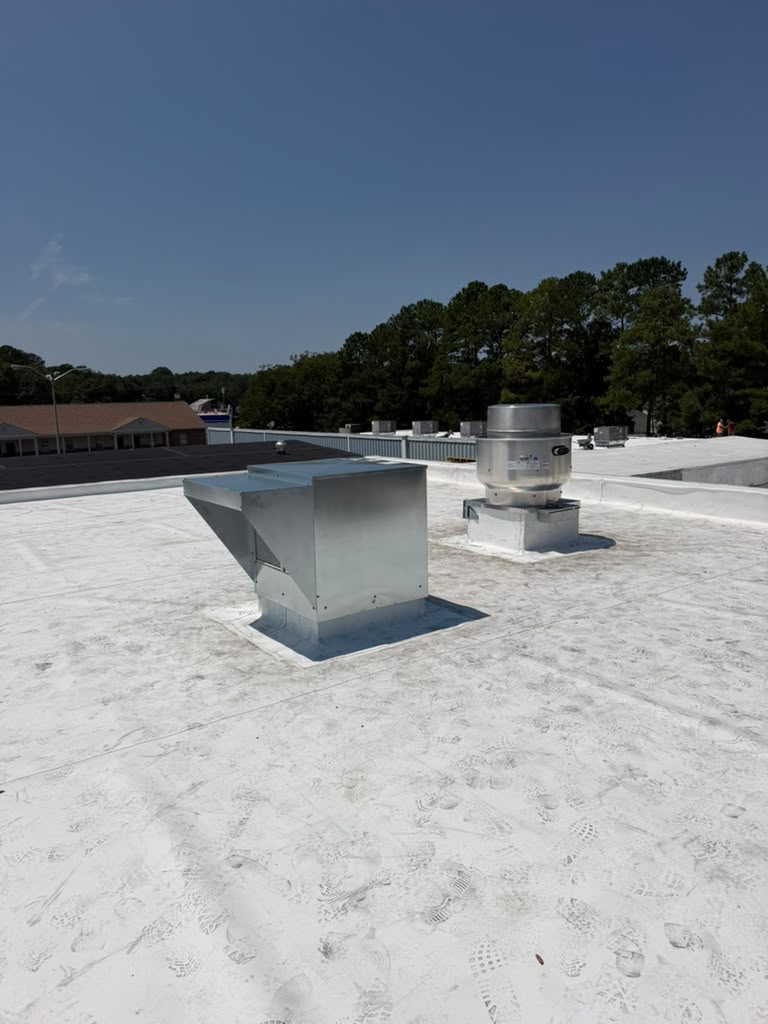
A practical guide to commercial kitchen hood installation in Pennsylvania — covering Pennsylvania Fire Code requirements, NFPA 96 standards, hood types, the mechanical permit process, fire suppression coordination, and how to find a qualified contractor. Questions? Call (800) 200-2134.
Pennsylvania Fire Code & NFPA 96
Pennsylvania commercial kitchen hood installations are governed by the Pennsylvania Fire Code (34 Pa. Code, Chapter 403), which adopts NFPA 96, Standard for Ventilation Control and Fire Protection of Commercial Cooking Operations, as the applicable technical standard for commercial kitchen exhaust systems. NFPA 96 sets the design, installation, and ongoing maintenance requirements for commercial kitchen exhaust systems — including hood type selection, duct construction specifications, fan requirements, make-up air, and fire suppression system integration.
In Pennsylvania, the building construction permit for a new or replacement hood installation is governed by the Pennsylvania Uniform Construction Code (UCC), administered either by the local municipality or by the Pennsylvania Department of Labor and Industry for municipalities that have not opted out of state administration. The Pennsylvania Fire Code applies to the ongoing maintenance and operation of the installed system.
Hood Types: Type I vs. Type II
Type I — Grease Exhaust Hood
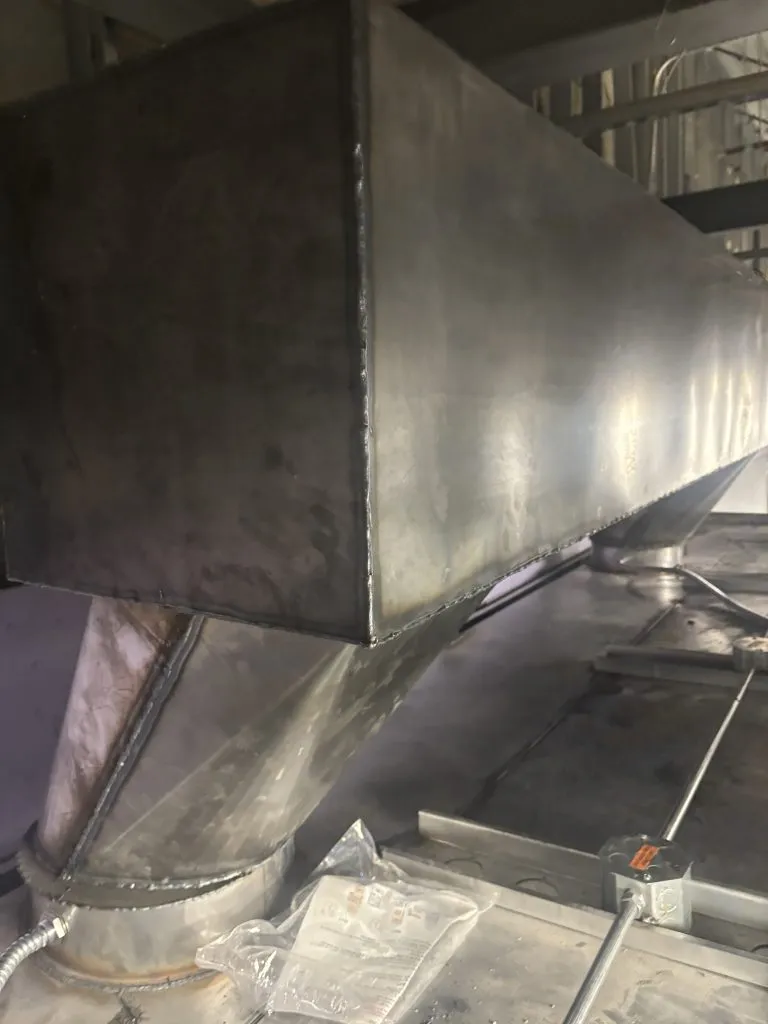
Type I hoods are required over all commercial cooking equipment that produces grease-laden vapors. In Pennsylvania, this includes fryers, griddles, charbroilers, ranges, combi ovens in grease-producing mode, wok ranges, and any other equipment where cooking oils, fats, or proteins are heated to the point of generating airborne grease particles. Type I systems require: listed stainless steel construction, listed grease filters, all-welded grease duct constructed to NFPA 96 Chapter 7 specifications, listed exhaust fan, make-up air, and a listed wet chemical fire suppression system integrated into the hood.
Type II — Heat & Moisture Hood
Type II hoods handle heat, steam, and odors from equipment that does not produce grease-laden vapors — commercial dishwashers, steam kettles, baking ovens (non-grease producing), combi ovens in steam mode, and coffee brewing equipment. Type II systems use lighter-gauge construction than Type I, do not require welded duct or fire suppression systems, and connect to a standard mechanical exhaust system. In Pennsylvania, improperly classifying grease-producing equipment under a Type II hood is a serious fire code violation — always consult with a qualified contractor to confirm the correct hood type for your equipment.
Pennsylvania Installation Process Step-by-Step
Site Survey & Equipment List
A qualified contractor performs a site survey to measure the kitchen space, identify all cooking equipment (manufacturer, model, BTU output, fuel type), assess the available ceiling height for hood installation, identify the duct routing path from the hood to the building exterior or rooftop, and evaluate make-up air and electrical requirements. The equipment list determines hood sizing and fire suppression system type.
Design & Permit Drawings
Pennsylvania UCC requires engineered mechanical drawings for commercial kitchen exhaust system permits. Drawings include hood dimensions and specifications, duct routing with sizes, exhaust and supply air volumes, fan selection, make-up air unit specifications, and fire suppression system layout. Pennsylvania municipalities require plan review by the local building code official or their third-party review agency before issuing the mechanical permit.
Permit Issuance & Installation
After plan review approval, the mechanical permit is issued and installation can begin. Installation includes: hood mounting and structural support, all-welded grease duct fabrication and connection, rooftop fan installation and electrical connection, make-up air unit installation and balancing, fire suppression system installation (by a Pennsylvania fire suppression contractor), and final system commissioning and airflow verification.
Post-Installation Inspection & Certificate
A Pennsylvania UCC post-installation inspection is required for permit sign-off. The building code official (or their third-party inspector) inspects the installed system against the approved drawings. After inspection approval, the permit is closed and the installation is documented in the municipal records. The fire suppression system also requires a Pennsylvania fire marshal inspection for the fire prevention certificate. After all permits are closed, the kitchen is cleared for operation.
Ongoing NFPA 96 Cleaning Requirements in Pennsylvania
Once installed, a Pennsylvania commercial kitchen hood system must be cleaned at NFPA 96-specified intervals and cleaning documentation retained on-site for fire inspection review. Pennsylvania Fire Code inspectors check hood cleaning certificates during annual commercial fire inspections — restaurants without current NFPA 96 documentation receive written correction orders.
| Cooking Equipment Type | Cleaning Frequency |
|---|---|
| Charbroiler, wok, or solid-fuel equipment | Every 3 months |
| High-volume ranges & fryers | Every 6 months |
| Standard commercial kitchen | Every 6 months |
| Low-use or seasonal kitchens | Annually |
Pennsylvania Hood Installation & Cleaning
Serving southeastern and south-central Pennsylvania — Philadelphia suburbs, York, Lancaster, Chester County, and the PA–MD border region.
(800) 200-2134 — Schedule PA Service