NFPA 96 and NFPA 17A compliant fire safety services for food trucks and concession trailers across Washington DC, Virginia, and Maryland. Hood and duct cleaning, Class K suppression system inspection, grease filter program, and city health certification documentation. Call (800) 200-2134.
Food Truck Fire Safety Requirements: DC, VA & MD
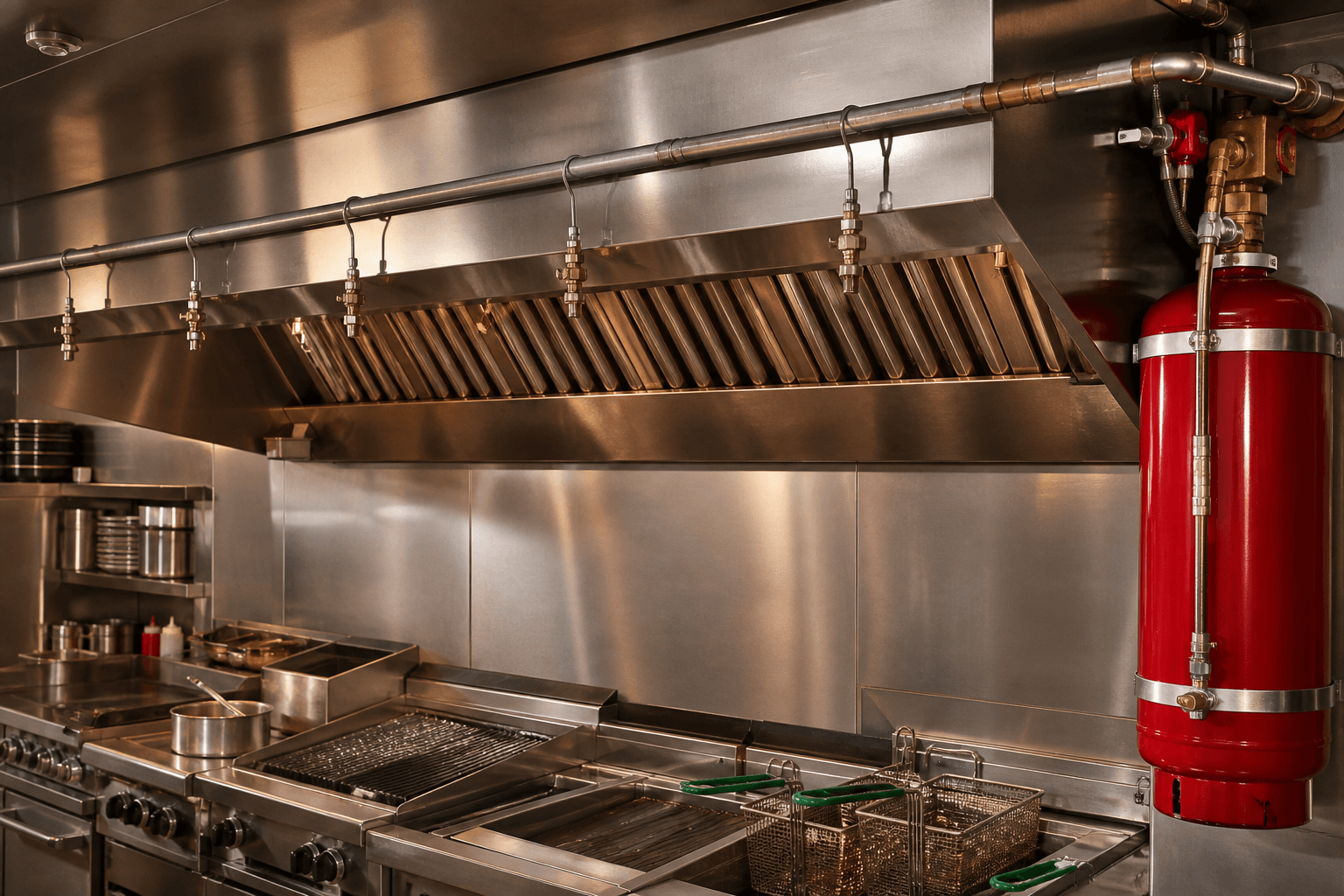
Food trucks and concession trailers operating in DC, Virginia, and Maryland with commercial cooking equipment — fryers, griddles, charbroilers, or any open-flame cooking — are required to comply with NFPA 96 (hood cleaning and ventilation) and NFPA 17A (wet chemical fire suppression) just as fixed commercial kitchens are. The enforcement authority and permit office vary by jurisdiction, but the underlying fire safety requirements are consistent across the region.
In Washington DC, food trucks are regulated by DC Health and the DC Fire Marshal. In Virginia, mobile food units fall under the Virginia Department of Health (VDH) and local fire marshal jurisdiction. In Maryland, the Maryland Department of Health (MDH) and local county fire marshals govern mobile food operations. All three jurisdictions require current fire suppression inspection tags and, for cooking operations, evidence of regular hood and duct cleaning.
Food Truck Fire Safety Services
Hood & Duct Cleaning
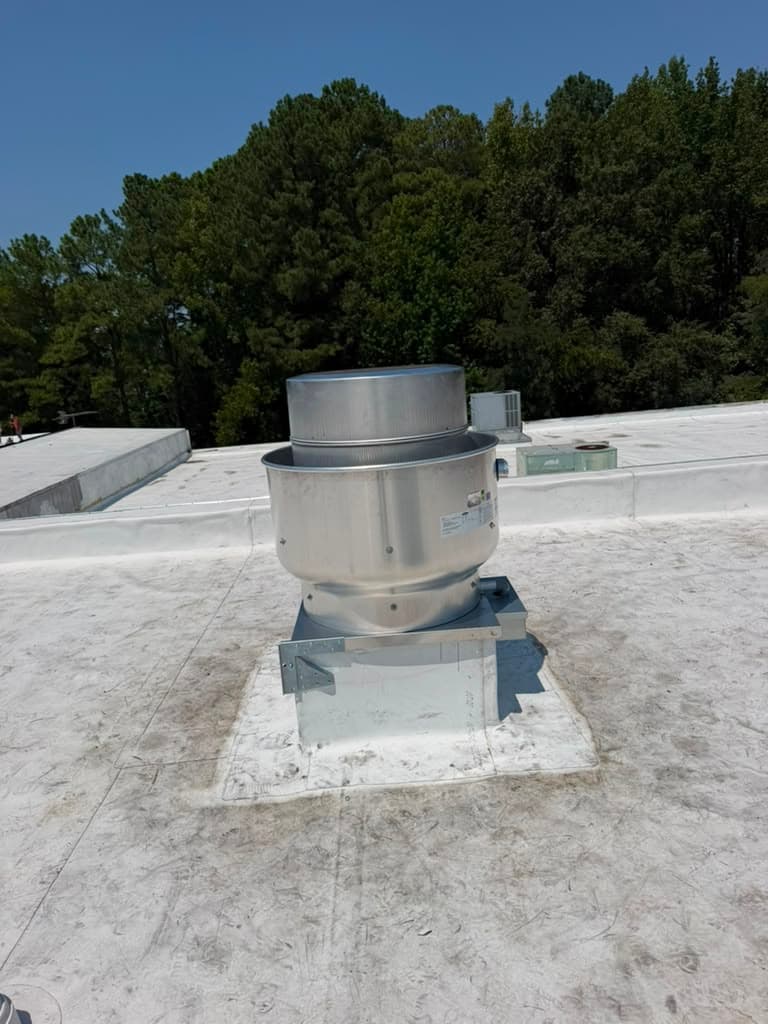
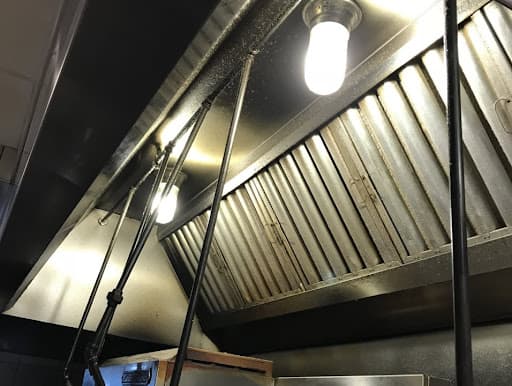
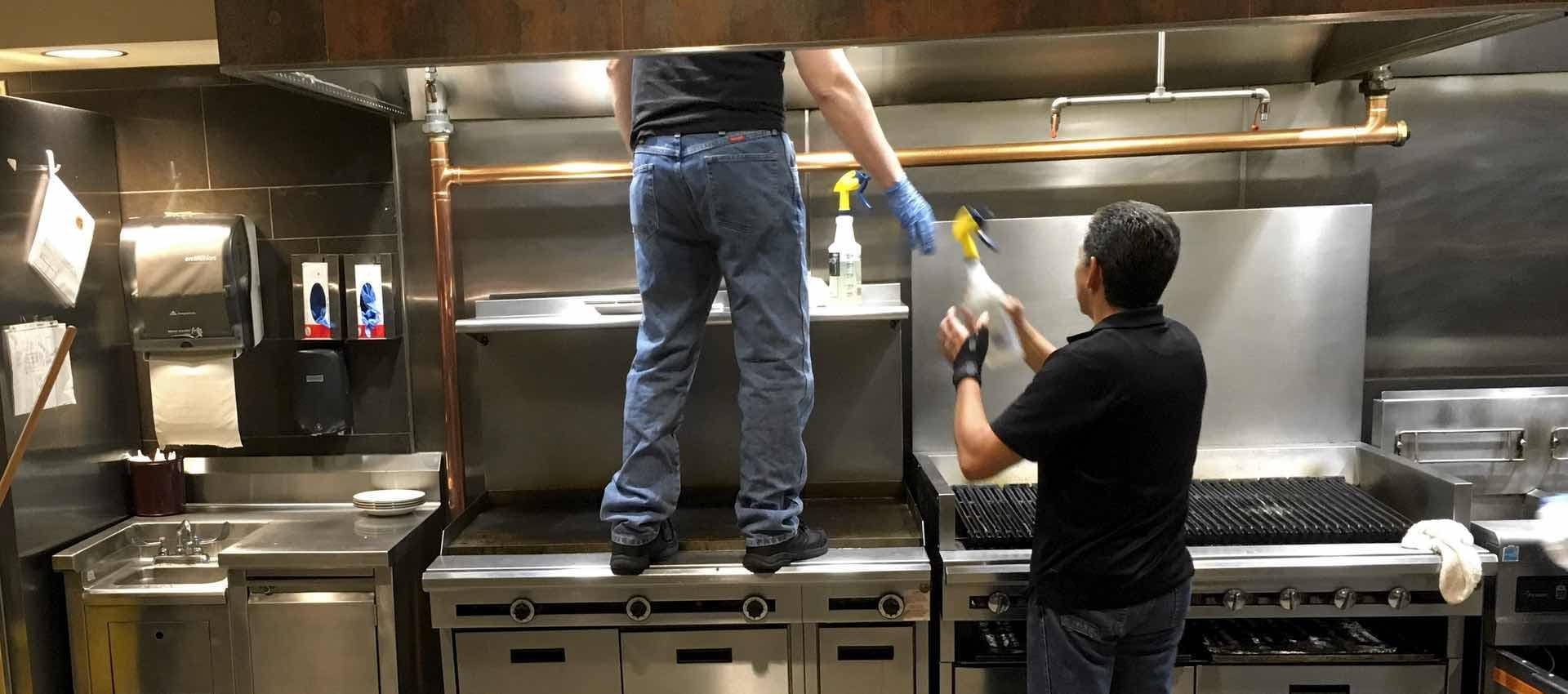
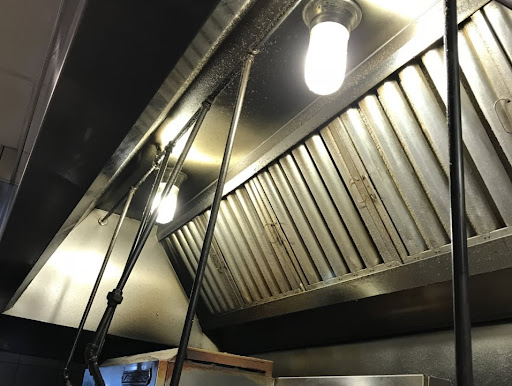
NFPA 96-compliant grease cleaning for food truck Type I hood canopies, short duct runs, and rooftop or rear-mounted exhaust fans. Food truck hood systems accumulate grease faster per cooking hour than fixed kitchens due to smaller airflow volumes and compact duct geometry. Quarterly cleaning is standard for daily-operating food trucks — the same interval applied to high-volume fixed kitchens. Before-and-after photos and certificate issued the same day.
Class K Suppression Inspection
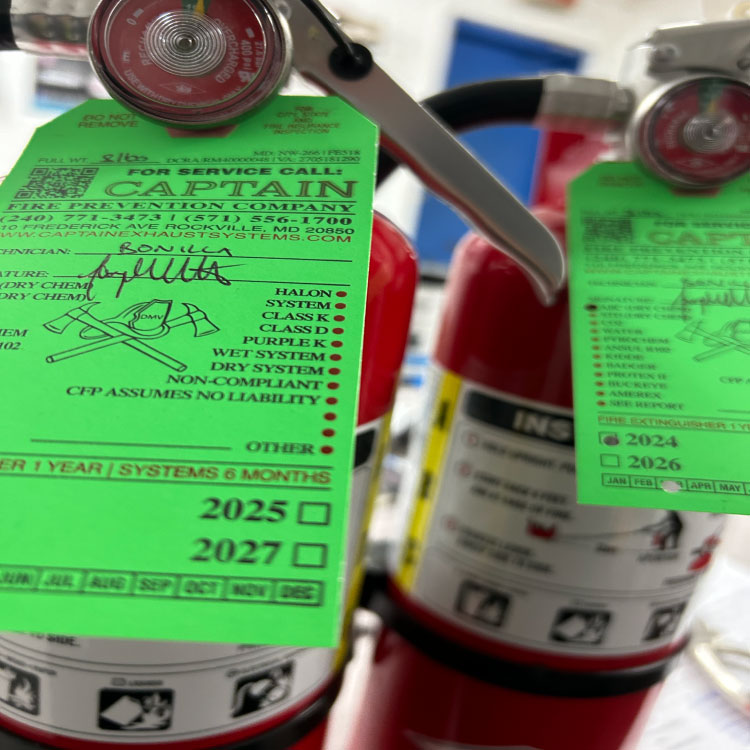
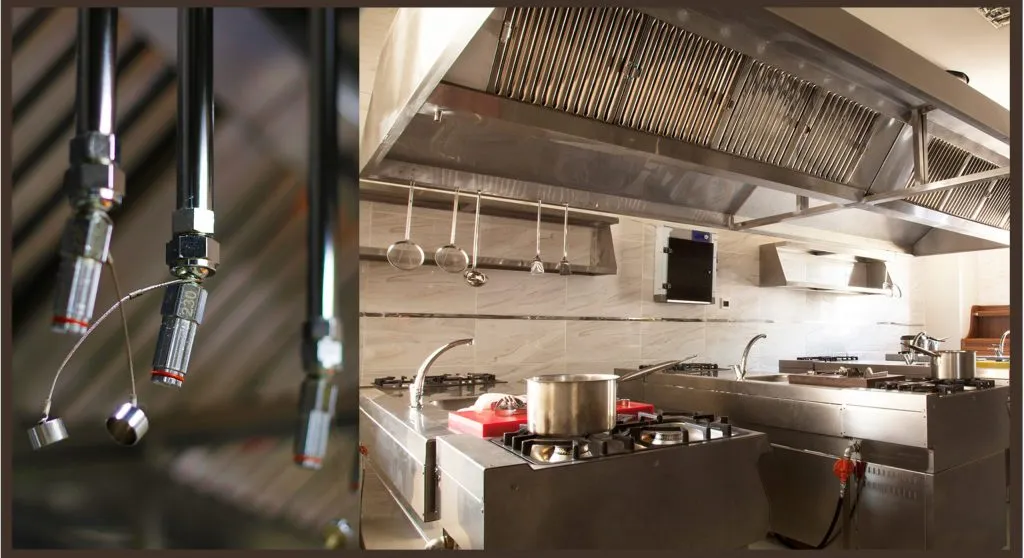
Semi-annual NFPA 17A inspection of food truck wet chemical (Class K) fire suppression systems — Ansul, Amerex, Badger, and equivalent systems. Fusible link replacement, nozzle coverage check, cylinder pressure verification, pull station test, and inspection tag issuance. We carry replacement links, nozzles, and cylinder recharge capability for same-visit repair when deficiencies are found.
Emergency Suppression Recharge
A suppression activation on a food truck shuts down your revenue immediately — you cannot legally resume cooking until the system is recharged and re-tagged. Call (800) 200-2134 for 24/7 recharge dispatch across DC, Virginia, and Maryland. We carry pre-charged cylinders for the most common food truck suppression systems and can typically arrive within 2–4 hours to get you back operating as quickly as code allows.
Health Permit Documentation
DC, Virginia, and Maryland all require evidence of suppression system inspection and (for cooking operations) hood cleaning as part of the annual mobile food vendor permit renewal. We provide documentation in the specific format required by DC Health, the Virginia Department of Health, and Maryland county health departments — typically a Certificate of Cleaning plus a current suppression inspection tag and report. We can coordinate visits to align with your annual health permit renewal timeline.
Food Truck NFPA Compliance Schedule
| Service | Required Frequency | Standard |
|---|---|---|
| Hood & duct cleaning (daily-operating truck) | Every 3 months | NFPA 96-2021, Table 11.4 |
| Hood & duct cleaning (part-time / event truck) | Every 6–12 months | NFPA 96-2021, Table 11.4 |
| Class K suppression system inspection | Every 6 months | NFPA 17A-2021 |
| Fusible link replacement | Annually | NFPA 17A-2021 |
| Post-activation recharge | Immediately after any activation | NFPA 17A-2021 |
Frequently Asked Questions — Food Trucks
Does my food truck need a suppression system if I only use a flat top griddle?
Yes, in most DC, Virginia, and Maryland mobile food permit contexts. Any commercial cooking operation involving a Type I hood system — which captures grease-laden vapors from griddles, fryers, open-flame equipment, and most commercial cooking surfaces — requires a listed wet chemical fire suppression system. A flat-top griddle produces sufficient grease vapor to require Type I ventilation and the associated suppression system in all three jurisdictions. If you have a Type II (non-grease) hood for low-heat, non-grease-producing equipment, the suppression requirement may not apply — but this determination requires a site-specific review.
Can you come to where my food truck is parked for service?
Yes. We service food trucks at their commissary kitchen location, storage lot, or designated parking location across DC, Virginia, and Maryland. For hood cleaning, we need access to the truck interior (to clean the hood from inside the cooking area) and rooftop or exterior access to the exhaust fan. For suppression inspection, we work entirely within and around the truck. We frequently schedule food truck service at commissary facilities where multiple trucks are parked, allowing efficient multi-truck visits.
My DC food truck permit renewal requires a suppression inspection tag — can you help?
Yes. DC Health requires a current suppression inspection tag from a licensed contractor as part of the mobile food vendor permit renewal process. Call (800) 200-2134 to schedule your inspection — we will inspect and tag your system and provide the documentation DC Health requires for your renewal application. We can also coordinate the suppression inspection with a concurrent hood cleaning visit if both are needed for your renewal package.
Food Truck Fire Safety — DC, VA & MD
Hood cleaning, Class K suppression inspection, emergency recharge, and permit documentation for mobile kitchens.
(800) 200-2134 — Main Line