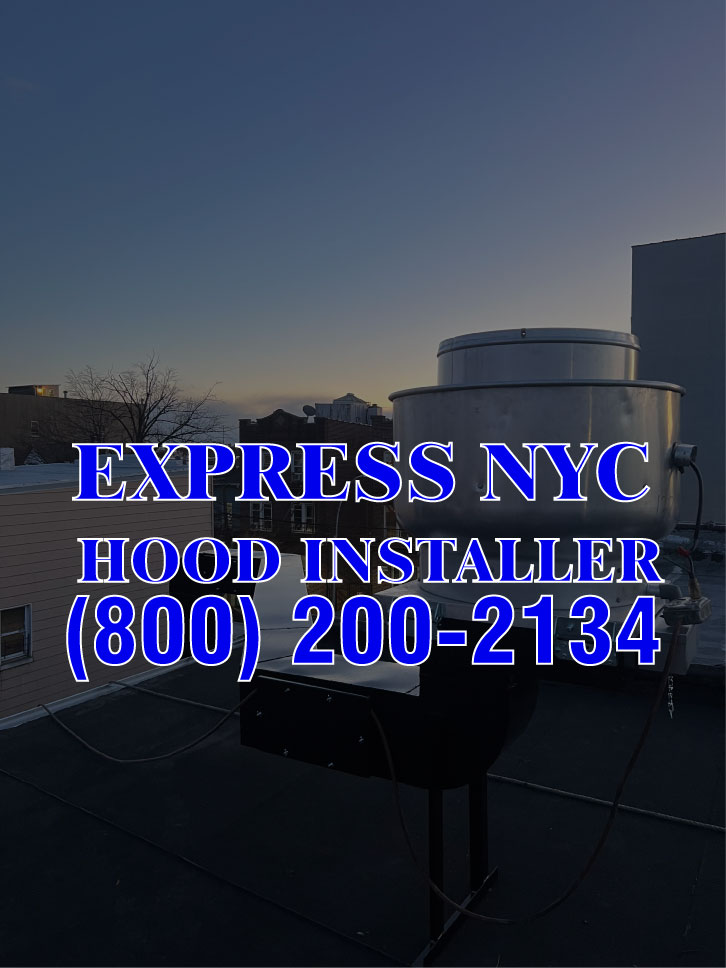
A complete guide to commercial kitchen hood system installation in Virginia — from permit requirements and MEP engineering to CaptiveAire system selection and final inspection. Express Kitchen Hoods is an authorized CaptiveAire installer serving Fairfax, Arlington, Alexandria, Loudoun, Prince William, and all Virginia counties. Call (571) 556-1700 or request a free quote.
Step 1: Contact Your Local Virginia Building Department
Virginia commercial kitchen hood installations are regulated at the county and city level under the Virginia Uniform Statewide Building Code (VUSBC), which adopts the International Mechanical Code (IMC) by reference. Permit requirements, plan submittal formats, and inspection procedures vary significantly by jurisdiction:
| Jurisdiction | Permit Authority | Notes |
|---|---|---|
| Fairfax County | Fairfax County Department of Land Development Services (LDS) | High volume — plan review can take 3-6 weeks. Requires licensed MEP engineer stamped drawings. |
| Arlington County | Arlington County Department of Planning and Zoning (CPHD) | Mechanical permits through online permit portal. Fire marshal separate review. |
| City of Alexandria | Alexandria Building and Fire Prevention | Historic district properties require additional review. Expedited permits available. |
| Loudoun County | Loudoun County Department of Building and Development | Growing restaurant market; plan review typically 2-4 weeks. |
| Prince William County | Prince William County Building Development | Online submittal accepted for most projects. |
| City of Virginia Beach / Hampton Roads | Virginia Beach Permits and Inspections | Requires stamped mechanical drawings and fire suppression system plans simultaneously. |
We work with all Virginia building departments regularly and handle permit submission and follow-up as part of our installation service.
Step 2: Commission Licensed MEP Engineering Drawings
A licensed Mechanical, Electrical, and Plumbing (MEP) engineer stamped in Virginia is required to prepare the mechanical drawings needed for a commercial kitchen hood permit. The drawings must include:
- Hood schedule with exhaust CFM calculations per NFPA 96 / IMC
- Duct layout plan showing route from hood to rooftop exhaust fan
- Duct cross-sections with dimensions, material specifications (typically 16-gauge black steel for grease ducts), and weld specifications
- Exhaust fan schedule with model, CFM, static pressure, and motor data
- Make-up air system design (required when total exhaust exceeds a threshold)
- Fire suppression system coordination notes
Express Kitchen Hoods works with experienced food-service MEP engineers licensed in Virginia. We can connect you with a qualified engineer immediately upon project kickoff — one point of contact for the entire project.
Step 3: Select and Order Your Hood System
As an authorized CaptiveAire installer, we help you select the right system based on your cooking equipment, kitchen layout, and budget:
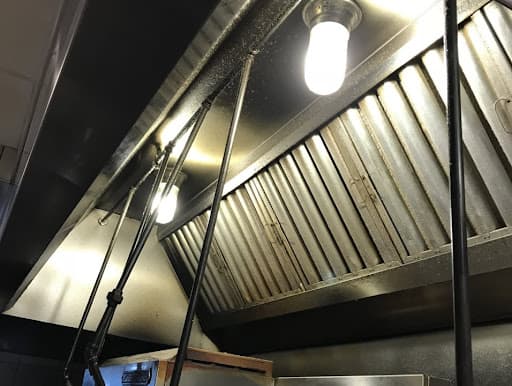
- CaptiveAire Type 1 hoods — for all grease-producing equipment (fryers, griddles, charbroilers, open flame). Multiple configurations: wall-mounted canopy, island canopy, backshelf, and low-proximity models.
- CaptiveAire Type 2 hoods — for dishwashers, steamers, and non-grease equipment.
- CaptiveAire DCV (Demand Control Ventilation) — variable-speed exhaust and supply system that reduces energy consumption by 30-50% during low-cooking periods. Required by Virginia Energy Code for new installations above certain system sizes.
- Accurex and Greenheck systems — also available for projects where CaptiveAire is not specified.
- Custom fabricated stainless hoods — for non-standard configurations, historic buildings, or design-specific applications.
Step 4: Installation
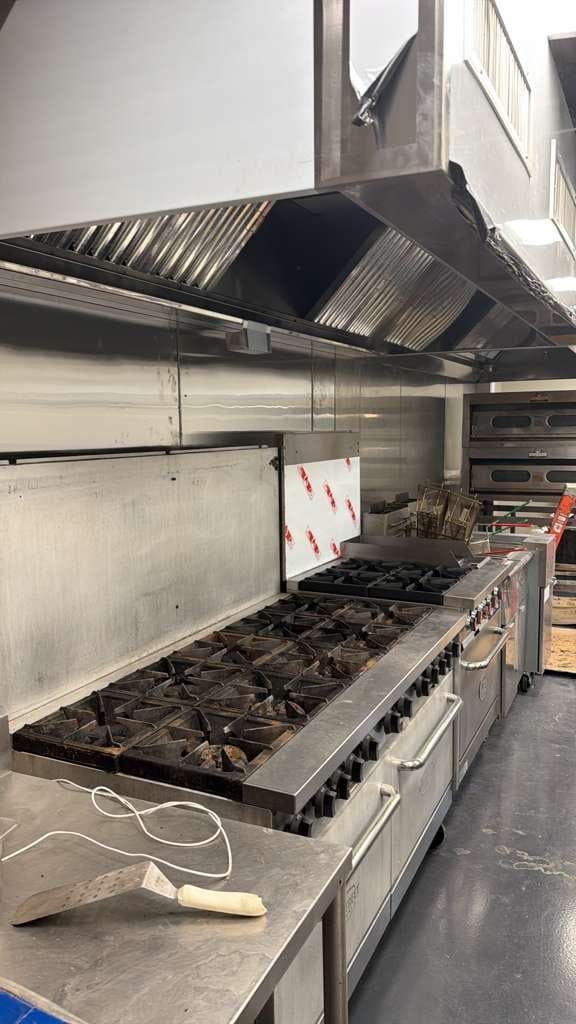
Once permits are approved and equipment arrives (typically 3-6 weeks for CaptiveAire standard models), our installation crew handles:
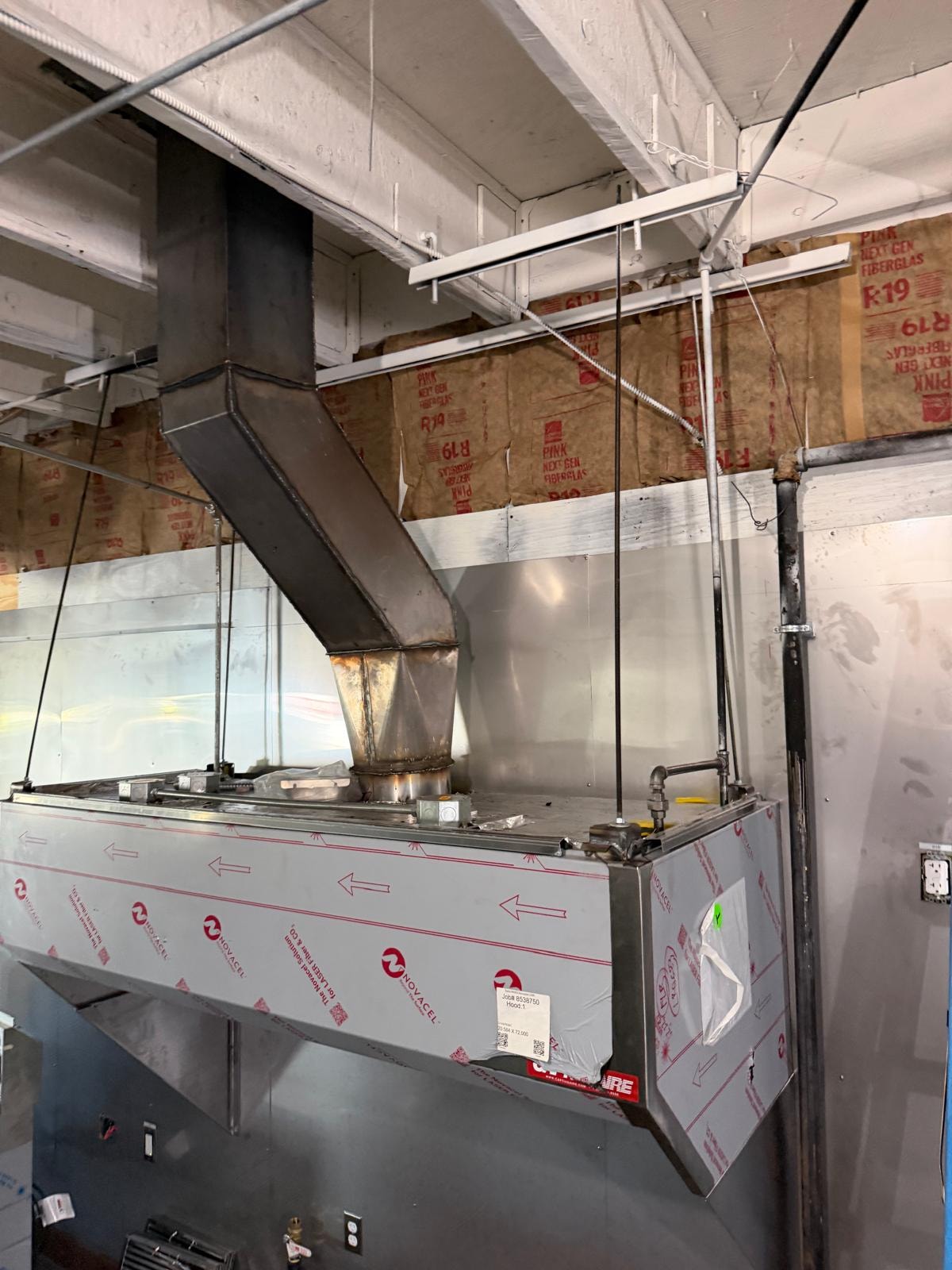
- Hood mounting and support structure
- Grease duct installation — continuous welded construction per NFPA 96 (no pop rivets, no sheet metal screws exposed to grease flow)
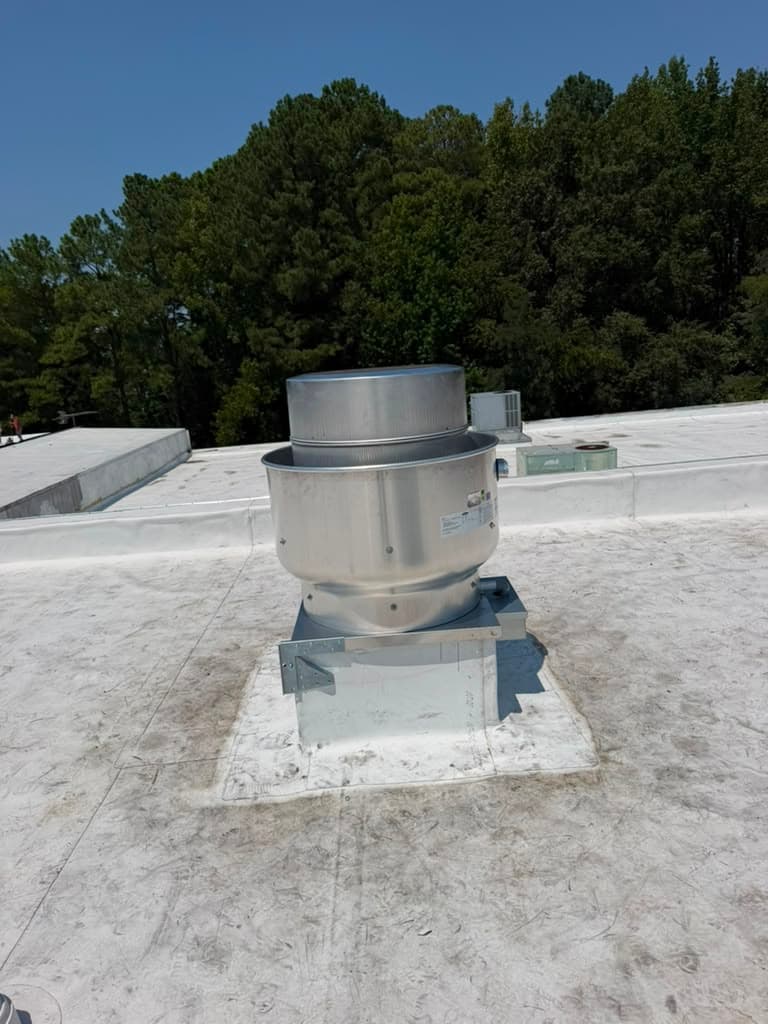
- Rooftop exhaust fan installation and curb fabrication
- Make-up air system installation and ductwork
- Electrical rough-in coordination with your electrician
- Fire suppression system installation (or coordination with your suppression contractor)
Step 5: Balancing, Commissioning, and Final Inspection
After installation, the system must be balanced and commissioned before the final inspection:
- Exhaust CFM measurement at each hood (must meet design specifications)
- Make-up air CFM measurement and balance against exhaust
- DCV system calibration (if installed)
- Fire suppression system test (no-discharge functional test of detection and triggering)
- Final inspection with local building department
- Fire marshal inspection and approval
We prepare all inspection documentation and coordinate with the inspectors — you receive a complete package of permit final cards, as-built drawings, and commissioning reports for your records.
Virginia NFPA 96 Compliance After Installation
Once your hood system is operational, Virginia law requires ongoing NFPA 96 compliance:
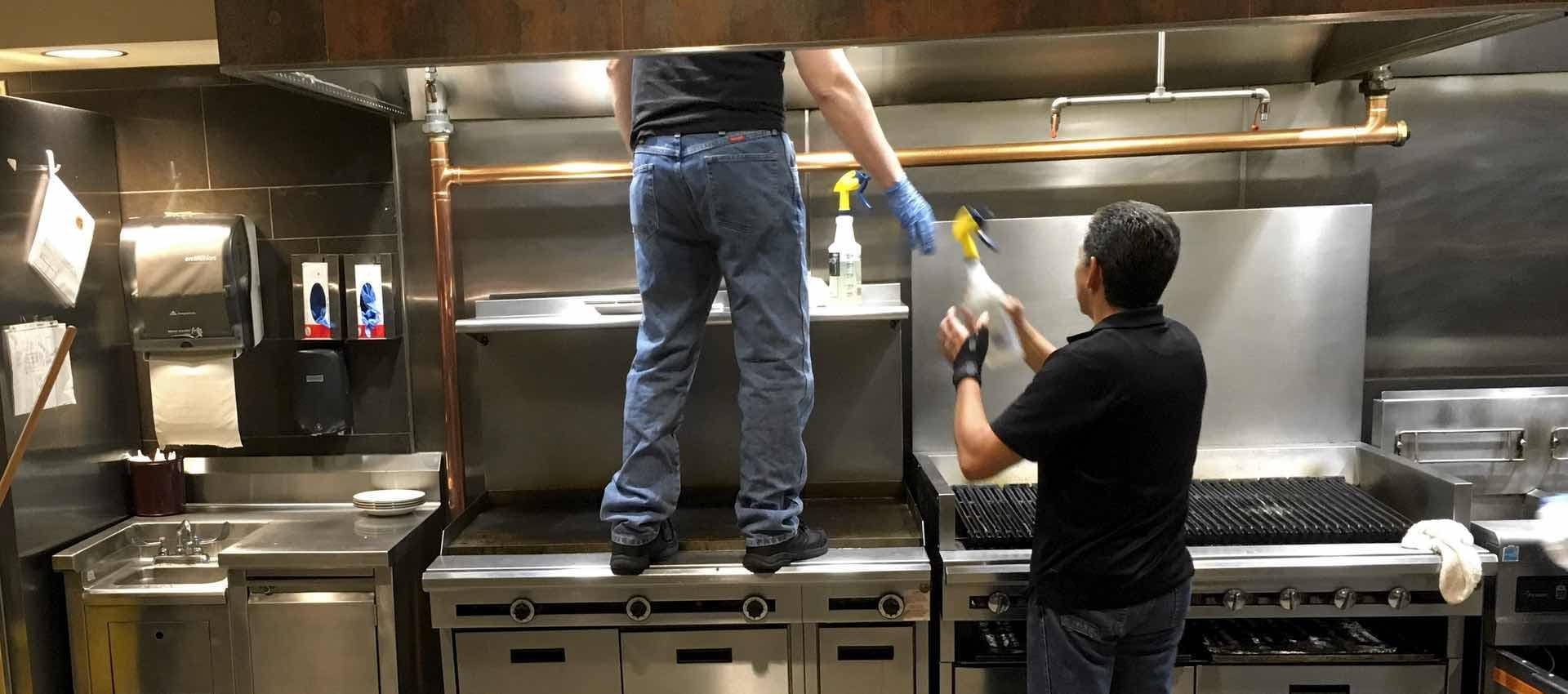
- Hood and duct cleaning at the frequency specified by NFPA 96 Section 11.4 (monthly to annually depending on kitchen type) — see our Northern Virginia hood cleaning page
- Fire suppression system inspection every 6 months — see our fire suppression services page
- Exhaust fan maintenance at least annually — see our exhaust fan repair page
Frequently Asked Questions — Virginia Hood Installation
How much does a commercial kitchen hood installation cost in Virginia?
Project costs vary significantly based on hood size, duct run length, building type, and whether make-up air and fire suppression are included. We provide free, itemized quotes after an on-site assessment. For a complete single-hood installation in a typical Virginia restaurant, the project timeline is 6-10 weeks from contract to final inspection.
Do I need a permit to replace an existing hood?
Yes, in most Virginia jurisdictions. Even a like-for-like hood replacement requires a mechanical permit and inspection. The permit process is simpler than a new installation — plans can often be less detailed when duct routing and system sizing are unchanged — but a permit is still required to protect you and ensure the installation is code-compliant.
Can I install the hood myself or hire a general contractor?
Virginia requires that commercial kitchen grease duct work be performed by a licensed mechanical contractor. Improper duct construction (wrong gauge metal, improper welds, missing access panels) is a fire safety violation and will fail inspection. Our team holds all required Virginia contractor licenses.
How long does the permit process take in Northern Virginia?
Fairfax County typically takes 3-6 weeks for plan review. Arlington is typically 2-4 weeks. Alexandria varies by priority. We submit permit applications as soon as design drawings are complete, running the permit process in parallel with equipment fabrication to minimize overall project timeline.
Do you install hoods in restaurant spaces in mixed-use buildings?
Yes — this is one of the most common installation scenarios in Northern Virginia. Mixed-use buildings present challenges including shared mechanical shafts, restricted rooftop access, structural limitations, and HOA or landlord approval requirements. We have extensive experience navigating the coordination required for these projects.
Start Your Virginia Hood Installation
CaptiveAire authorized — permits handled — all Virginia counties.