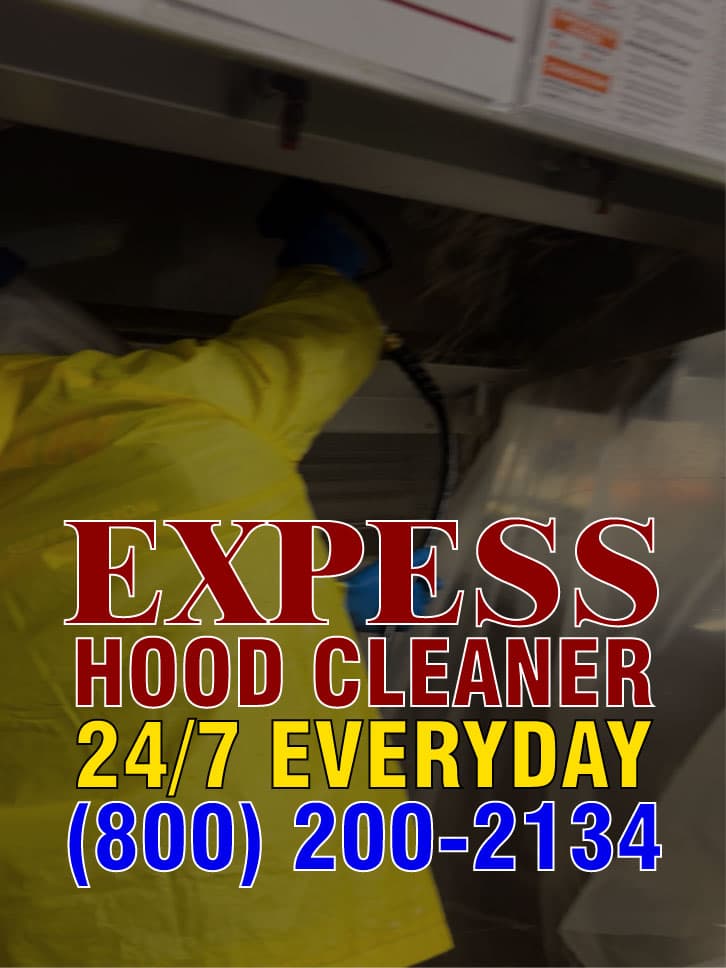
Emergency kitchen hood and exhaust system failures are the most predictable emergencies in restaurant operations — because they almost always result from deferred maintenance that could have been caught and addressed weeks or months earlier. Here’s how Washington DC restaurant operators prevent emergency service calls and the kitchen downtime, rush surcharges, and fire risk that come with them. Questions? Call (800) 200-2134.
The Real Cost of Emergency Hood Repairs
When a kitchen exhaust fan fails mid-service or a grease fire occurs in a dirty duct system, the costs extend well beyond the repair invoice. Washington DC restaurants that experience emergency hood system failures typically incur: (1) emergency service surcharges above standard cleaning/repair rates; (2) potential kitchen shutdown for some or all of a service period; (3) potential DCRA or DC Fire and Emergency Medical Services citation if the failure is discovered during an inspection; and (4) the compounding cost of resolving the failure and any related code deficiencies on an urgent timeline.
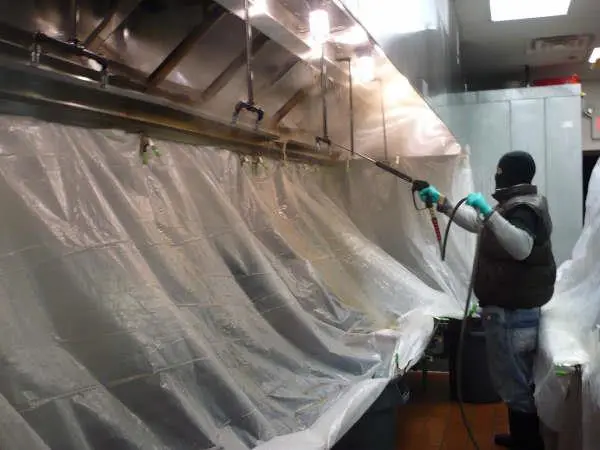
The alternative — a properly structured preventive maintenance program — eliminates nearly all of these scenarios. NFPA 96 cleaning at the correct frequency for your cooking volume, combined with fan inspection at every cleaning visit and prompt attention to any deficiencies noted in your service report, reduces emergency service events to the truly unforeseeable category rather than the deferred-maintenance category that describes most emergency calls.
The Preventive Maintenance Framework
1. Correct Cleaning Frequency
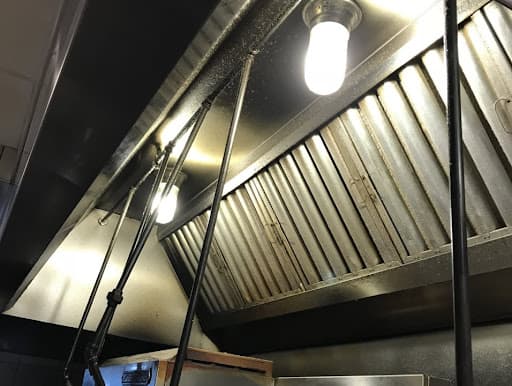
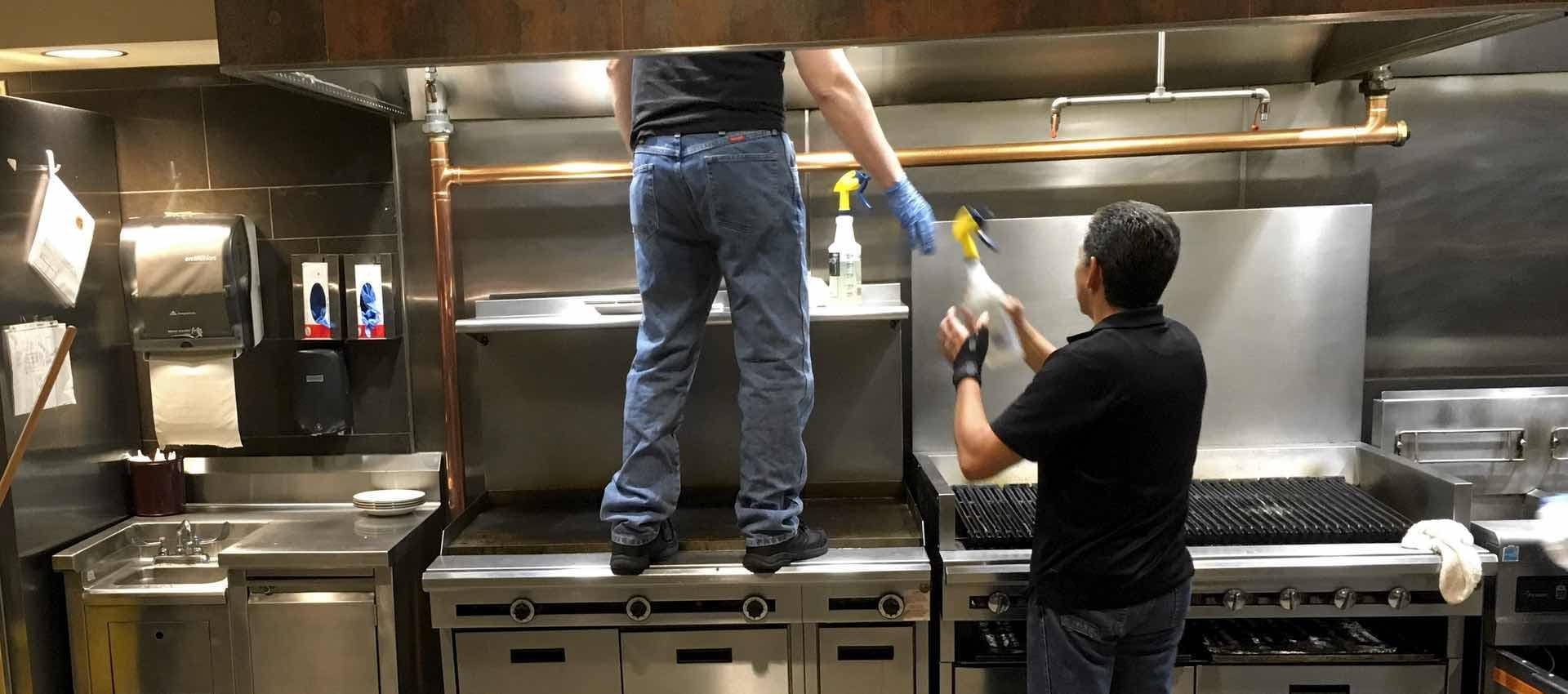
The single most common cause of grease accumulation problems in DC restaurant kitchens is cleaning at the wrong frequency for the actual cooking volume. Many kitchens that use charbroilers, high-volume fryers, or wok equipment are on annual cleaning schedules when NFPA 96 requires quarterly service. We assess your cooking equipment list, cooking hours per week, and kitchen volume to recommend the correct cleaning frequency for your operation — not a schedule that’s convenient for your budget but inadequate for your actual grease production.
2. Fan Inspection at Every Cleaning
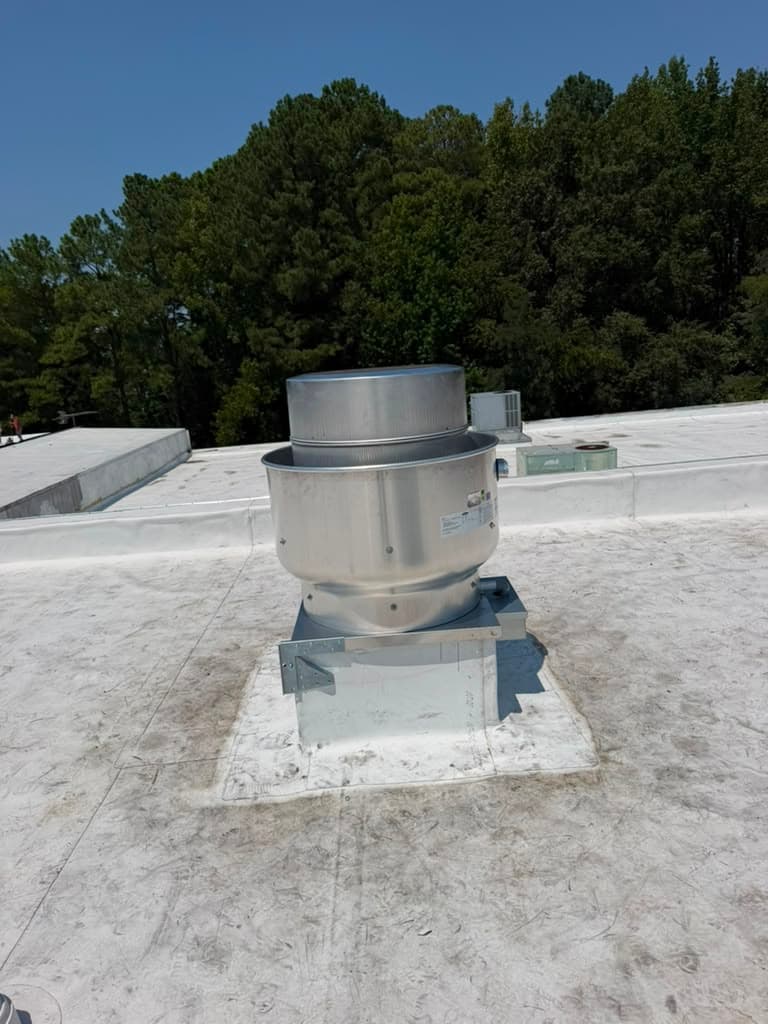
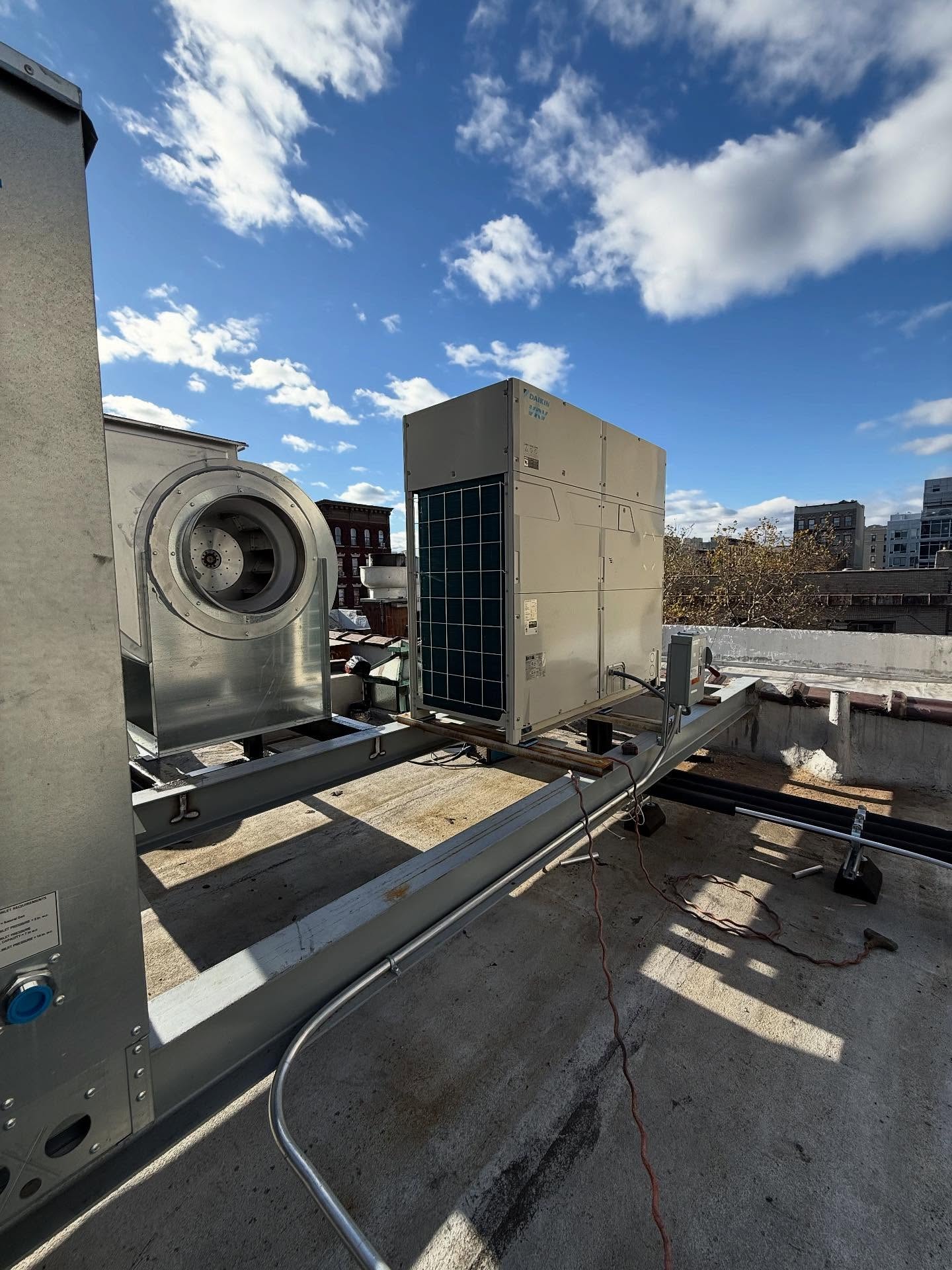
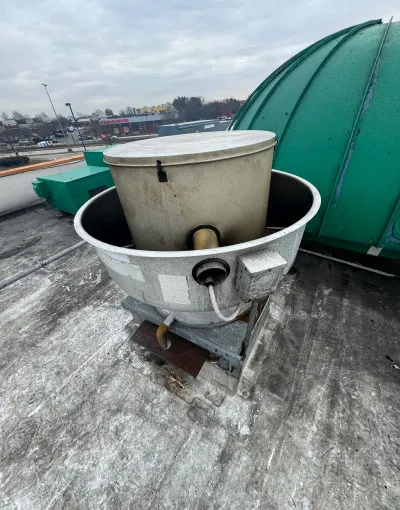
The rooftop exhaust fan is the component most likely to produce an emergency shutdown scenario — and it’s the component most often overlooked in a cleaning service. Every Express Kitchen Hoods cleaning visit includes a rooftop fan inspection: belt tension and condition, bearing condition, motor operation, fan wheel grease accumulation, hinge arm condition, and grease collection basin. We note any developing issues in your service report with a recommended action timeline — so a worn belt is replaced on a scheduled visit rather than discovered when the fan stops during a dinner rush.
3. Act on Deficiency Reports
Our service reports identify system deficiencies found during each visit: access panel issues, grease trough damage, filter damage, fan component wear, or duct construction concerns. The most preventable emergency service scenarios we respond to in Washington DC are situations where the same deficiency was noted on a prior service report but no corrective action was taken. We follow up on open deficiencies with recommended timelines — a worn belt recommendation means schedule replacement within 30 days, not ignore until failure.
4. Recurring Service Scheduling
The simplest operational change DC restaurant managers can make to reduce emergency service risk is switching from reactive scheduling (cleaning when it’s remembered or required by an upcoming inspection) to recurring scheduled service on a fixed calendar. A cleaning company with a recurring account has advance notice to maintain route scheduling, bring the right equipment, and ensure the correct technician is assigned. Call us to schedule recurring quarterly or semi-annual service and remove hood cleaning from the list of things that fall through the cracks during a busy restaurant operating season.
DC-Specific Compliance Context
Washington DC restaurants operate under DC Law 6-100, the DC Fire Prevention Code which incorporates NFPA 96 requirements, and enforcement by the DC Fire and Emergency Medical Services (DC FEMS) fire inspection program and the Department of Consumer and Regulatory Affairs (DCRA). DC has one of the more active commercial kitchen inspection programs among major US cities — many DC restaurant operators report that DCRA and FEMS inspections come without advance notice and that inspectors routinely ask to see current NFPA 96 certificates.
- ✓DC FEMS inspectors may ask for current NFPA 96 certificate at any routine inspection
- ✓A certificate more than 6 or 12 months old (depending on your required frequency) indicates non-compliance
- ✓We provide same-night digital delivery of your certificate after every service visit
- ✓DC FEMS violation citations for hood cleaning deficiency can include re-inspection scheduling and potential operational restrictions
Frequently Asked Questions
How much notice does DC FEMS give before a kitchen inspection?
Washington DC restaurant operators should assume no advance notice for routine FEMS fire inspections. While some inspections are part of scheduled annual inspection programs that provide notice, many DC kitchen inspections occur as part of complaint response, routine commercial district sweeps, or follow-up from previous inspection cycles without advance scheduling communication to the restaurant. This makes maintaining current NFPA 96 certificates at all times — rather than scrambling to schedule cleaning after receiving an inspection notice — the only reliable compliance strategy.
What’s the fastest way to get an emergency cleaning before a DC inspection?
Call (800) 200-2134 immediately — we maintain emergency cleaning capacity across Washington DC for exactly these situations. Depending on our schedule and your location, we may be able to respond same-day or next-morning. We will complete the full NFPA 96 cleaning and deliver your certificate the same night as service. However, we strongly encourage DC restaurants to use this experience as the catalyst for establishing a recurring scheduled cleaning program so that the next inspection is never a scramble.
Prevent Emergency Repairs — Schedule Recurring Service
Washington DC hood cleaning with fan inspection, same-night certificate, and proactive deficiency reporting.
(800) 200-2134 — Washington DC