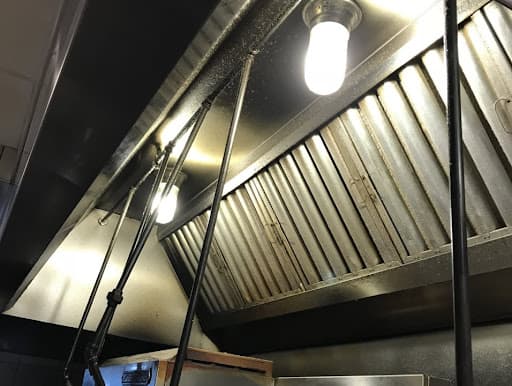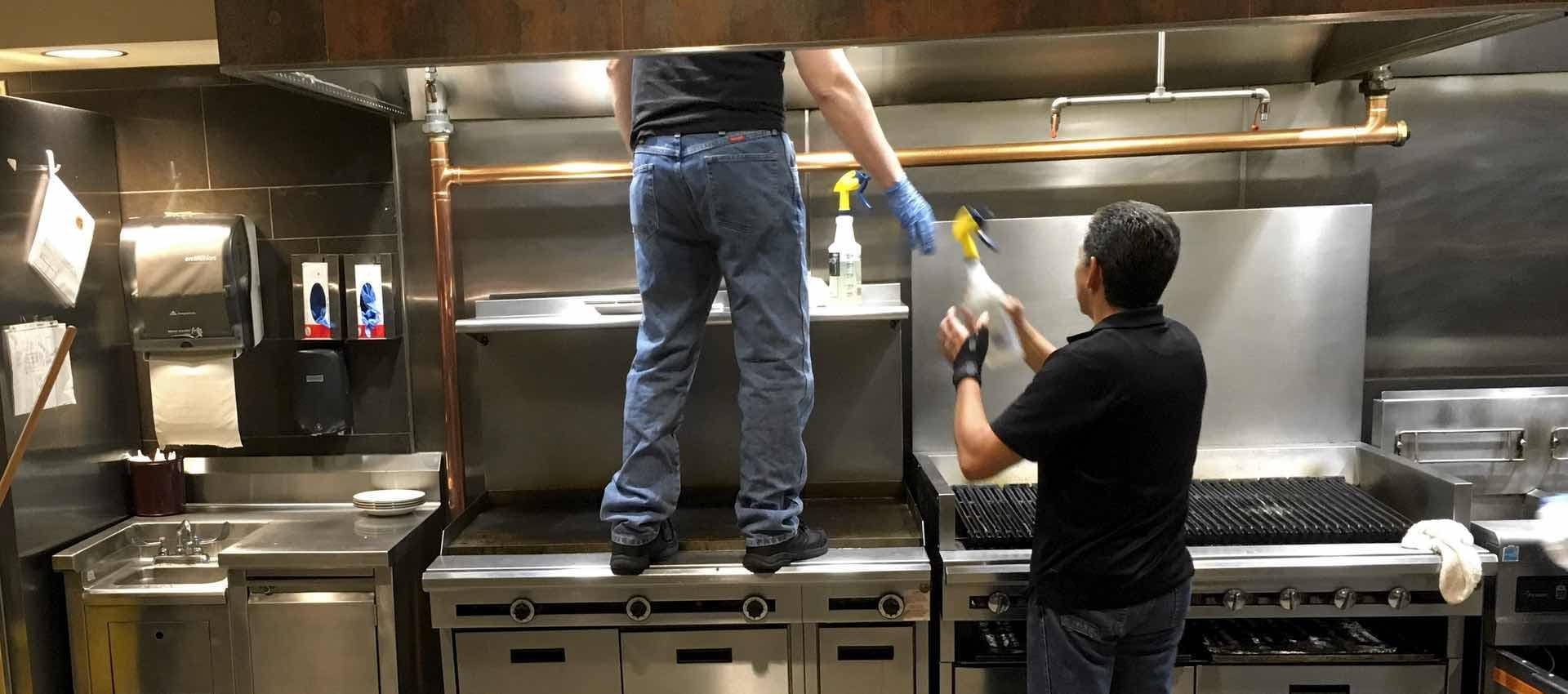
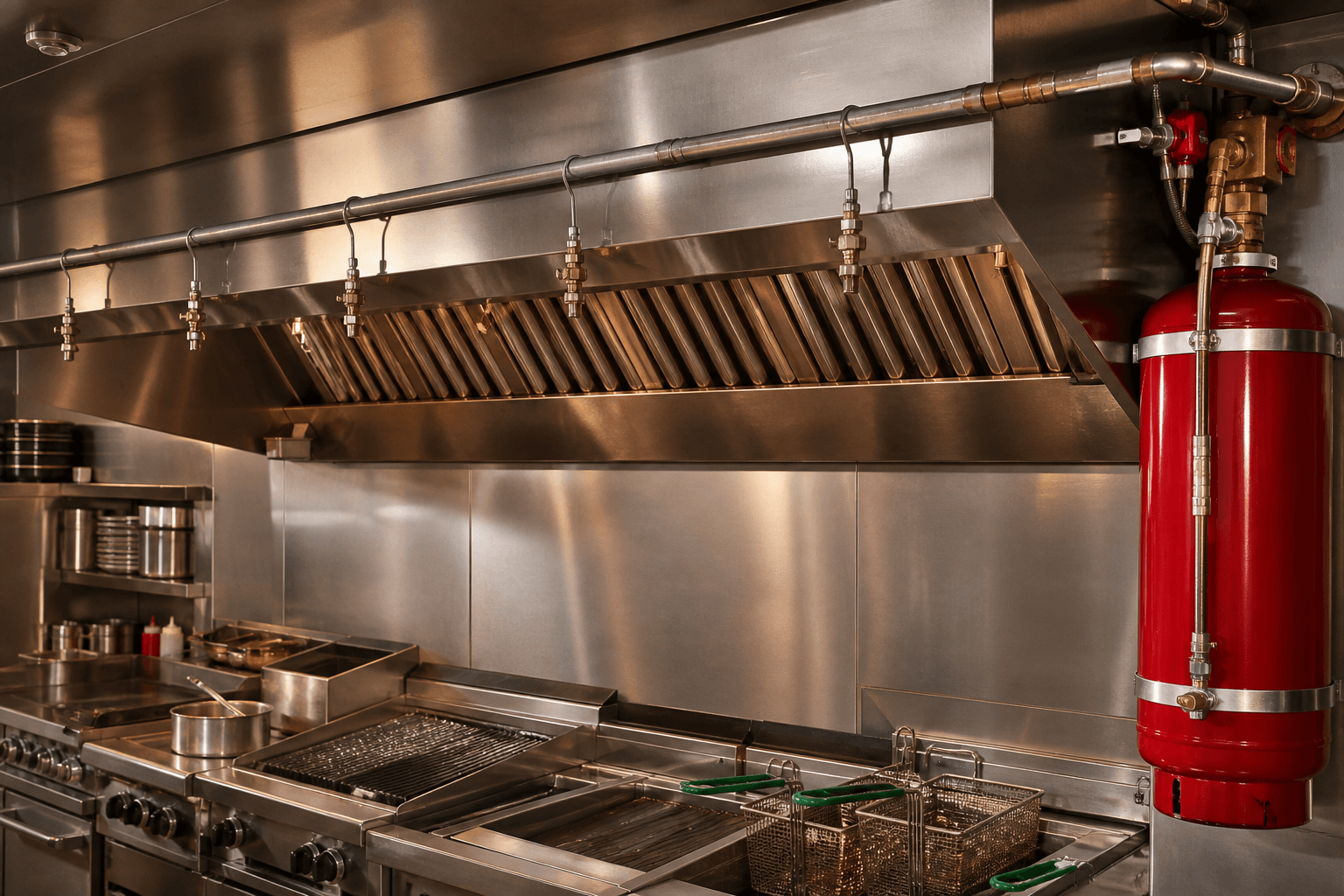
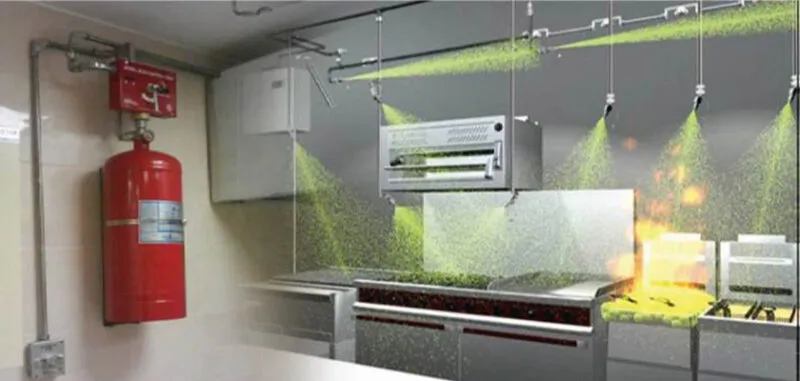
An Ansul system Maryland kitchens trust is usually the R-102 wet chemical unit under the hood. We keep it inspected every six months, tagged for COMAR, and ready to recharge the night it discharges — so you are not waiting on an out-of-state contractor when the kitchen is closed.
What Maryland requires for Ansul systems
Ansul compliance falls under the Maryland State Fire Prevention Code (COMAR 29.06.01), adopting NFPA 17A for wet chemical systems and NFPA 96 for commercial cooking protection. Semi-annual inspection by a qualified technician is mandatory.
New installs and major replacements must be UL 300. Expired tags can void insurance after a grease fire and trigger correction orders from MCFRS, PG Fire/EMS, BCFD, and other county offices. For multi-brand coverage see kitchen fire system Maryland; for grease exhaust cleaning see hood cleaning Maryland.
Compliance schedule
Keep this cadence and you stay ahead of most Maryland inspections:
| Requirement | Frequency |
|---|---|
| Semi-annual Ansul inspection | Every 6 months (NFPA 17A) |
| Fusible link replacement | Annually or after any activation |
| Nozzle coverage check | Every inspection — match the cook line |
| Cylinder recharge | After activation or low agent |
| 6-year maintenance | Hydrostatic test or cylinder replacement |
| Hood cleaning coordination | Caps off before / on after NFPA 96 cleaning |
What we check every visit
- Fusible links, brackets, and detectors — tested and cleaned
- Shutdown valves, audible alarms, and micro-switches
- Cylinder pressure, charge, and agent weight
- Appliance layout vs. nozzle coverage (hazards moved?)
- Remote manual pull station
- Agent piping and nozzles cleaned and inspected
- Hydrostatic test dates on cylinders and hoses
- Fresh inspection tag for Maryland AHJ review
How we help
Semi-annual inspections
Full R-102 service with documentation formatted for Montgomery, Prince George’s, Baltimore City, and the rest of Maryland.
Emergency recharge
After a discharge, cooking stops until the system is recharged and re-tagged. We prioritize reset and coordinate post-activation hood cleaning.
UL 300 upgrades & re-pipe
Adapt for new fryers, add nozzles when the line grows, or re-pipe when equipment moves — with Maryland permit coordination.
New design & install
Engineered nozzle layout, permit package, install, and final AHJ acceptance — often bundled with new hood projects.
Class K extinguishers
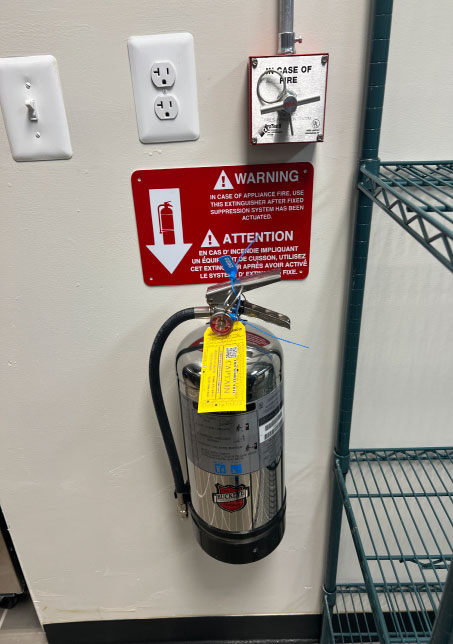
Portable wet chemical extinguishers Maryland grease kitchens need alongside the fixed Ansul system.
Fire alarm tie-ins
Where required, we coordinate Ansul activation signals with the building fire alarm panel.
Brands we service
Primary focus is Ansul R-102. We also service major UL 300 wet chemical brands found in Maryland kitchens:
- Ansul R-102
- Amerex KP / B670 / B500
- Pyro-Chem Kitchen Knight II
- Protex II / Badger Range Guard
- Kidde WHDR / Buckeye BFR
All 24 Maryland jurisdictions
Ansul system Maryland service in every county and Baltimore City:
Common questions
How often does an Ansul system need inspection?
Every six months under NFPA 17A / COMAR. High-heat kitchens should also replace fusible links annually. Missing tags fail Maryland commercial fire inspections often.
My Ansul system discharged — what now?
Do not reopen cooking until recharge and re-inspection are complete. Call (240) 771-3473; we also arrange post-activation hood cleaning and fire marshal notification guidance.
Do I need a UL 300 upgrade?
If you added high-efficiency fryers, remodeled the cook line, or your AHJ flagged a pre-UL 300 system, an upgrade is typically required. We design the nozzle layout and handle Maryland permits.
Can inspection happen the same night as hood cleaning?
Yes — and it should. Caps come off for hood cleaning, then Ansul inspection and tag renewal finish in one visit.
Need your Ansul tag renewed?
Tell us the brand, address, and whether this is inspection or post-discharge recharge.