Hood systems and fire suppression across Maryland—Ansul, inspections, and NFPA 96. Same-day and 24/7. Primary keyword pages: kitchen fire system Maryland, Ansul system Maryland, and hood cleaning Maryland. Call (800) 200-2134 or (240) 771-3473, or request a quote online.
Kitchen Fire Suppression | Maryland
Complete Guide to Restaurant Fire Suppression and Hood Systems in Maryland
This guide offers comprehensive insights into managing restaurant fire suppression systems, covering everything from inspections and installation to replacements and costs. Whether you’re in Maryland, Baltimore, Annapolis, or nearby areas, this resource ensures you’re well-informed every step of the way.
FILL OUT FORM FOR FAST AND EASY FIRE SUPPRESSION SYSTEM SERVICE IN MARYLAND
How Often Should You Inspect Restaurant Fire Suppression Systems in Maryland?
The National Fire Protection Association (NFPA) requires all commercial kitchen fire suppression systems to be inspected semi-annually. This applies to every food service business inMaryland.All automatic extinguishing systems in Maryland are required to comply with the state’s adopted fire code. Violating these standards can lead to hefty fines or even business closure.
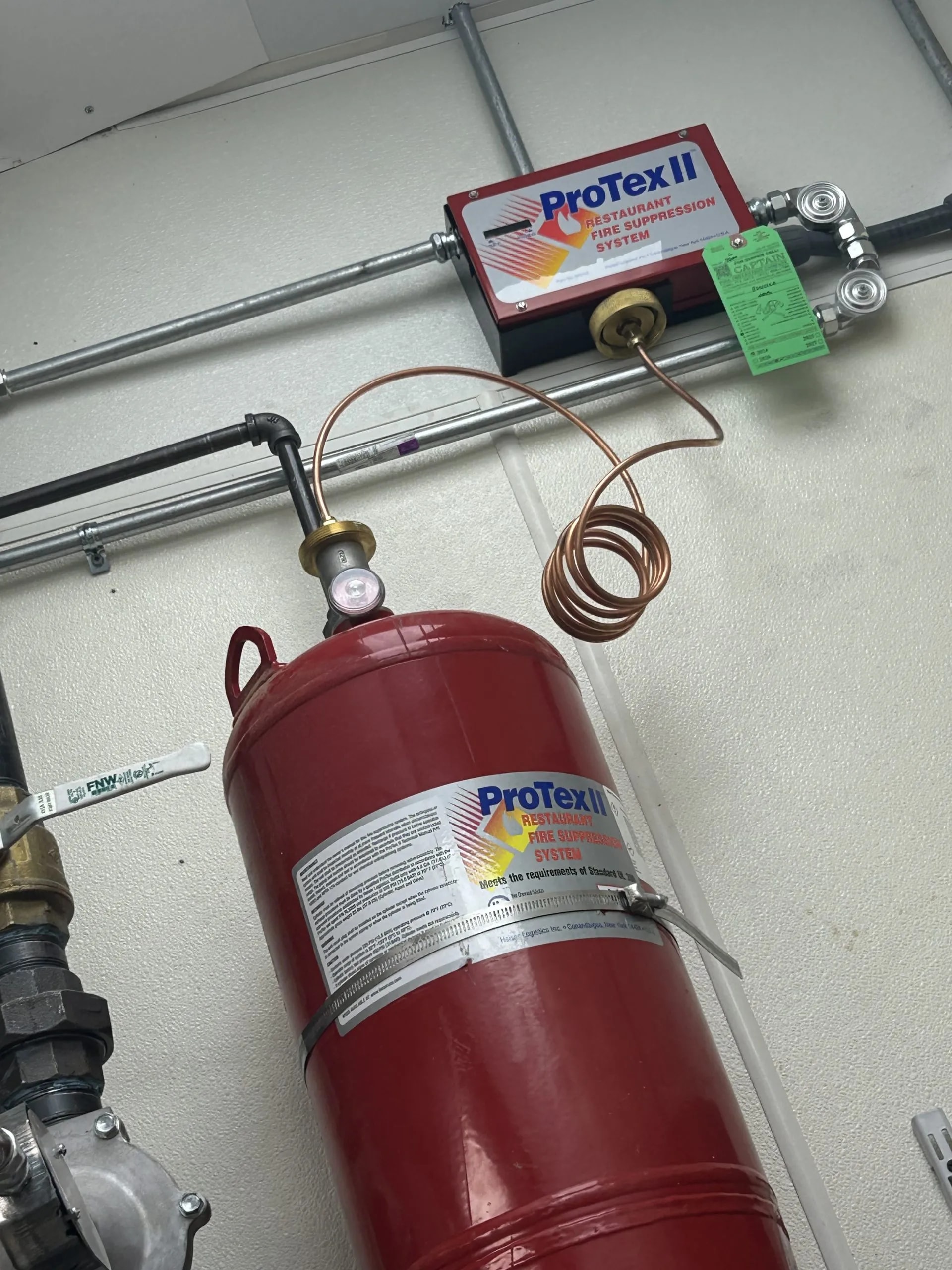
Moreover, it’s imperative that restaurant owners understand the significance of regular inspections and maintenance for their fire suppression systems. The NFPA code states that semi-annual inspections must be performed by a trained, qualified, and certified professional in a specific sequence for every system component. This includes the automatic extinguishing system, detectors, alarms, piping, nozzles, cylinders and tanks as well as other related equipment.
What Happens During a Restaurant Fire Suppression System Inspection?
During an inspection of your restaurant’s fire suppression system in Maryland or Baltimore, our certified technicians will conduct a thorough examination to check its readiness in case of a fire emergency.
During these inspections, certified technicians will evaluate the system’s functionality, ensuring it can respond effectively in case of a fire. Missing routine inspections not only jeopardizes safety but can also lead to penalties from regulatory bodies and possible insurance repercussions.
What Goes Into a Kitchen Hood Fire Suppression System Inspection?
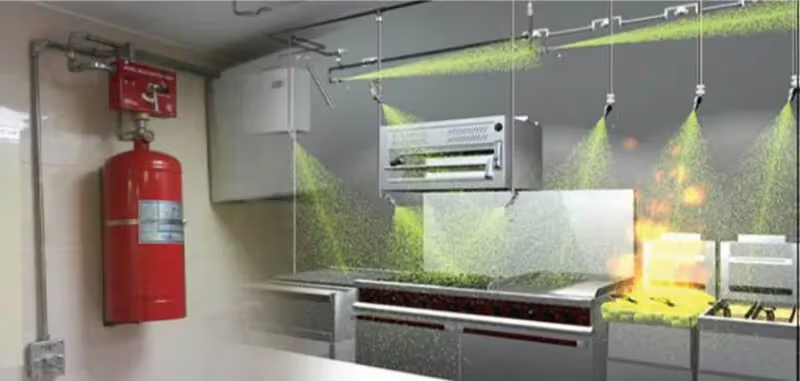
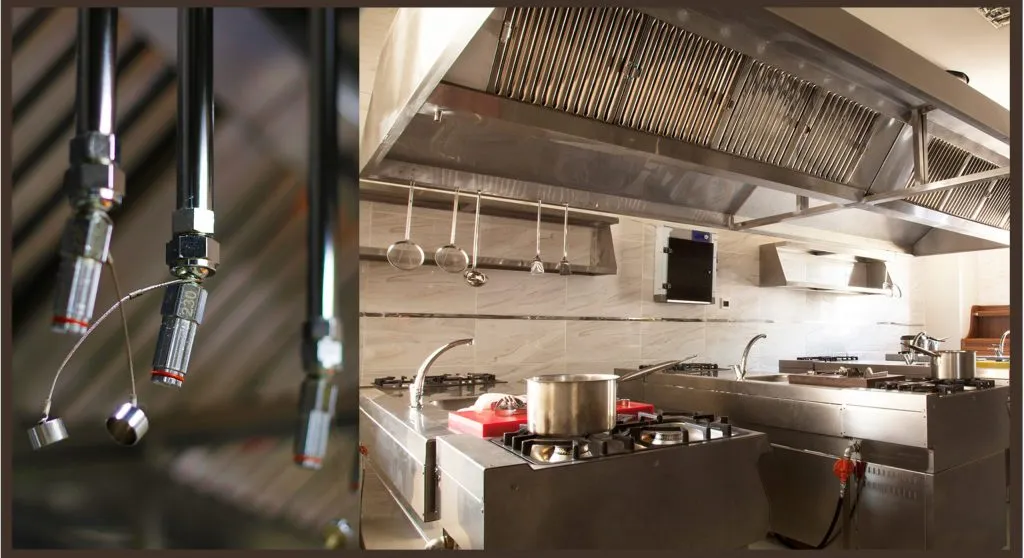
A kitchen hood fire suppression inspection isn’t merely a visual check—it’s a thorough technical assessment. Key areas of inspection include:
- Nozzles and Discharge Points: Ensuring they are clean, properly aligned, and free of blockages to effectively disperse suppression agents.
- Piping and System Integrity: Examining whether the pipes are intact and securely installed without leaks.
- Control Mechanisms: Testing manual pull stations and automatic triggers to verify functionality.
- Tamper Seals: Checking if tamper seals are intact and unbroken on system control valves.
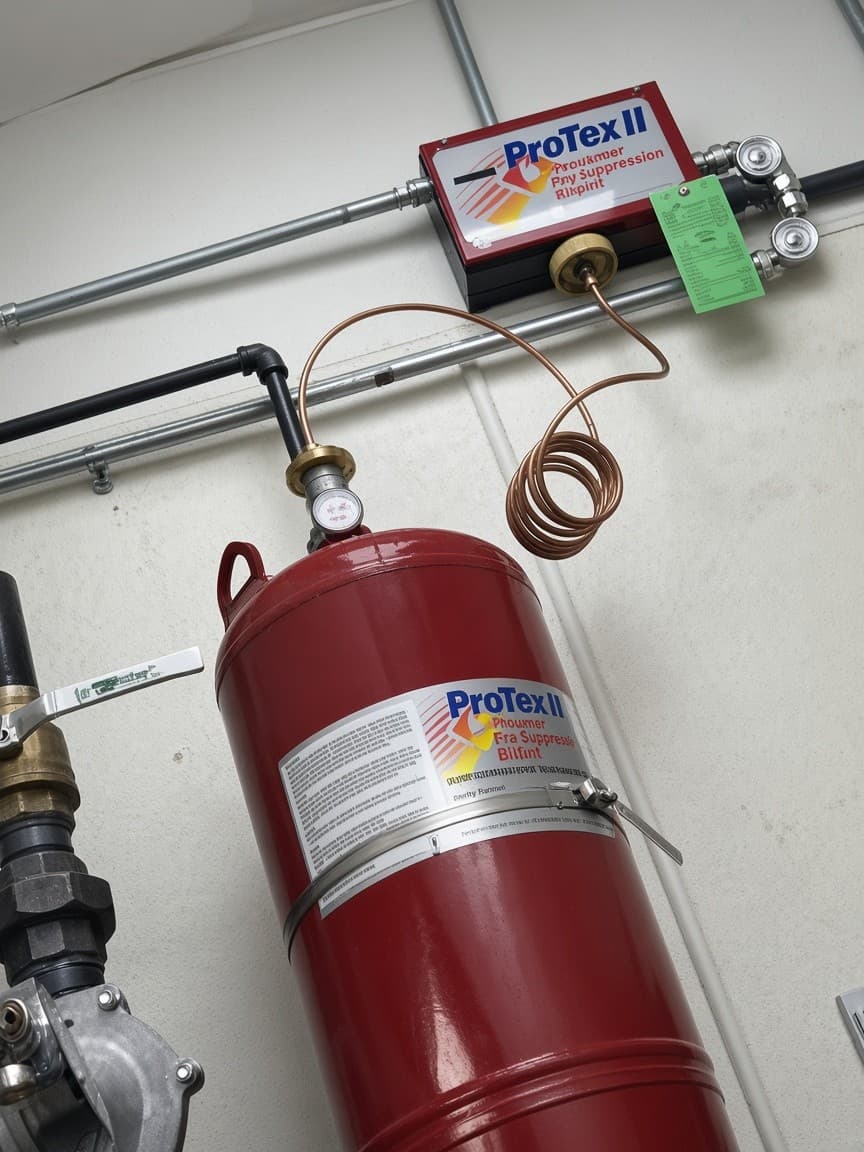
- Agent Cylinders: Verifying chemical levels and recharging if necessary to meet NFPA standards.
- System Integration: Ensuring the suppression system properly interacts with hood exhaust systems, gas valves, and other interlocked appliances.
Make sure you only hire certified technicians for these inspections to guarantee compliance with local and federal safety codes.
Grease Inspection Requirements for Restaurant Kitchen Hoods in Maryland
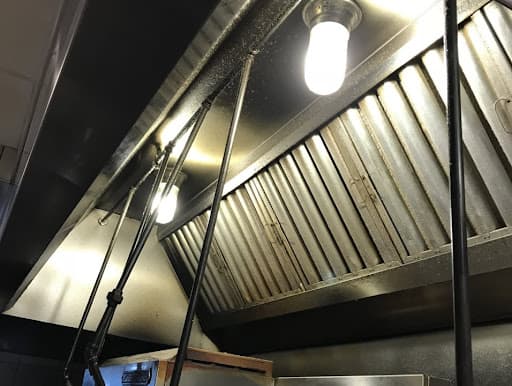
Grease build-up in exhaust ducts and hoods is a major fire hazard. According to NFPA 96, the frequency of grease inspections depends on your operational volume:
- Solid fuel operations: Conducted monthly
- High-volume operations (24-hour cooking): Quarterly
- Moderate-volume operations (3 to 7 hours per day): Semi-annual
- Low-volume operations (1 to 2 hours per day): Annual
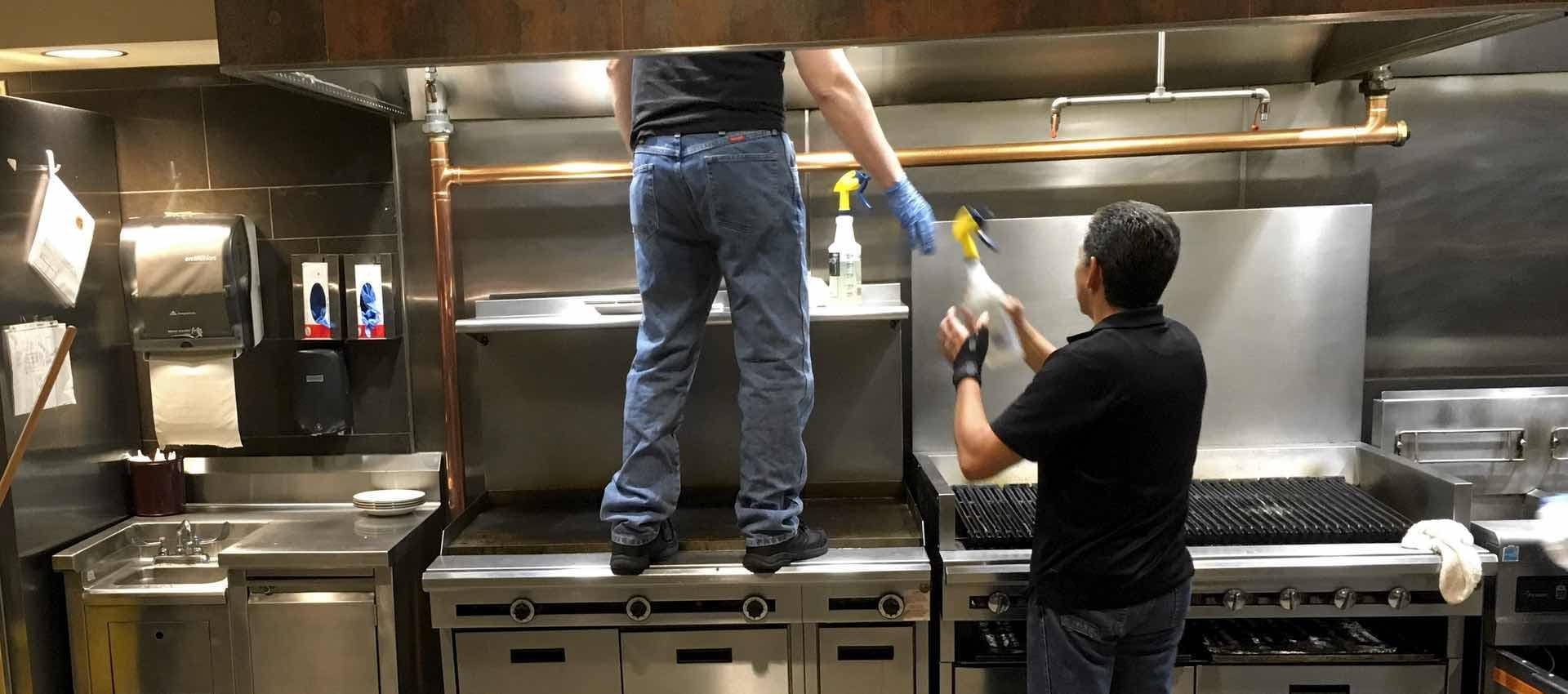
It’s crucial to adhere to these requirements, as failure to do so can result in severe consequences. Grease inspections should be carried out by trained and certified professionals who utilize specialized equipment to thoroughly clean and remove grease build-up from your kitchen hood and exhaust systems.
Installation and Replacement of Fire Suppression Systems in Maryland
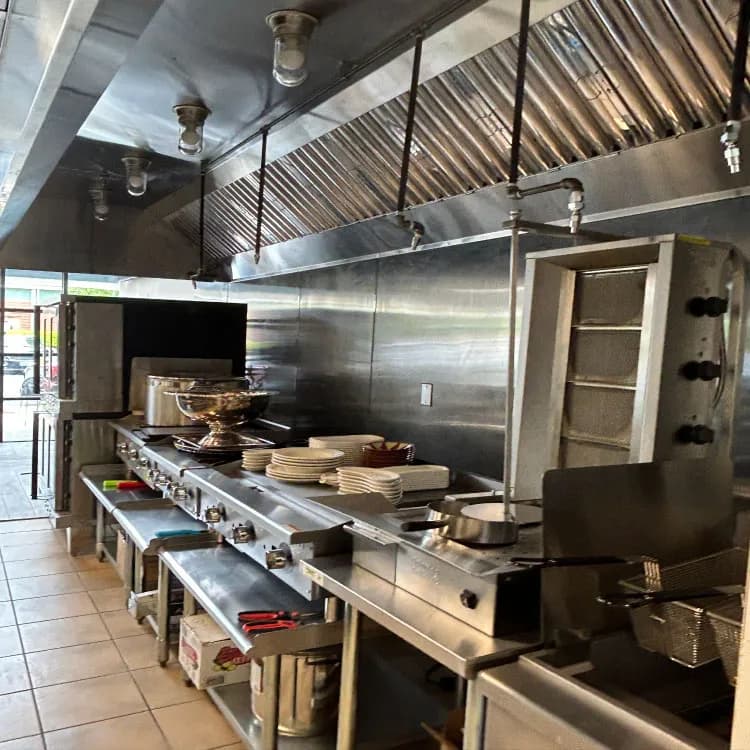
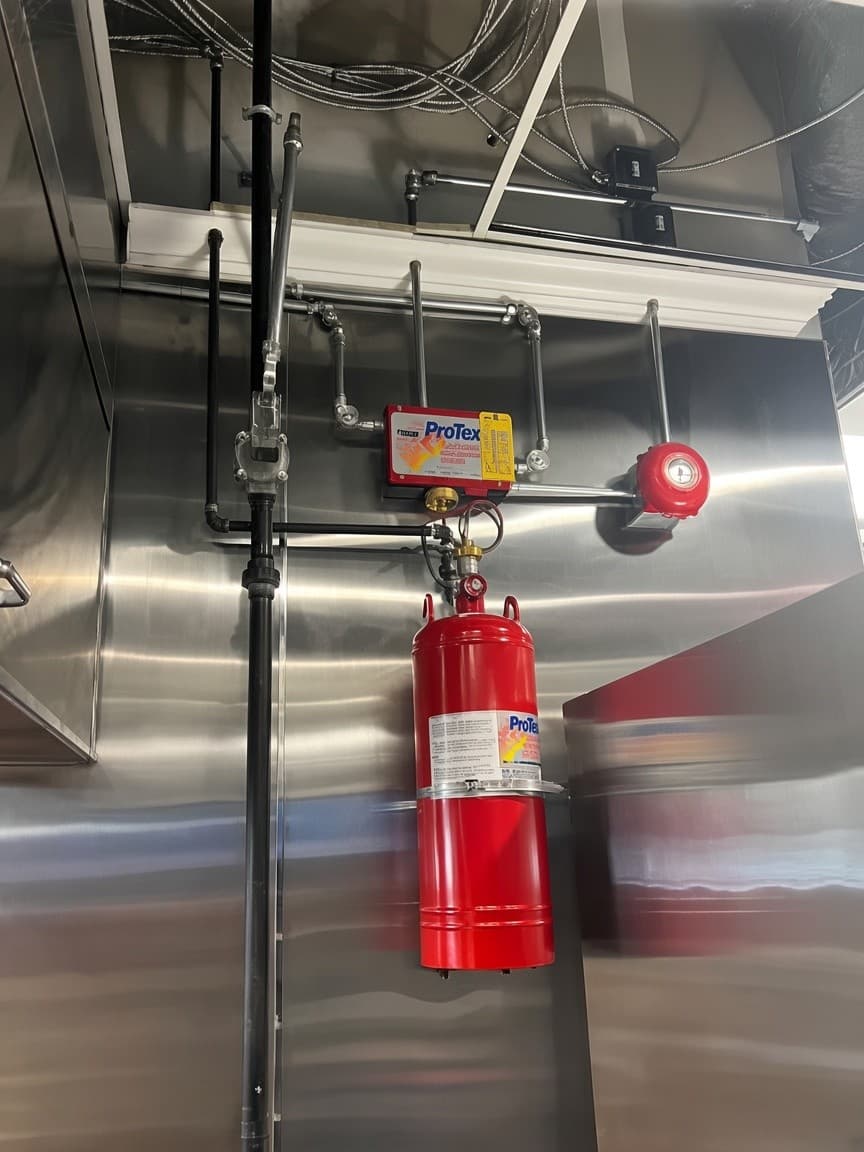
Proper installation of a fire suppression system is critical for its functionality in case of a fire emergency. It’s recommended that you hire an experienced, licensed professional who understands Maryland fire codes and NFPA 96 standards to ensure proper installation and seamless integration with your hood ventilation system.
- High-volume operations(Kitchens operating 24/7 or equipped with deep fryers): Should be inspected quarterly.
- Moderate-volume operations(e.g., fast food or average casual dining): Should inspect semi-annually.
- Low-volume operations(e.g., seasonal or catering businesses): Once per year.
A certified service provider will assess grease accumulation and recommend cleanings to ensure NFPA compliance.
How Much Does a Wet Chemical Fire Suppression System Cost?
The cost of a wet chemical fire suppression system varies based on the size and complexity of your kitchen setup. On average:
- A small, single-line system can cost$5,000–$7,000.
- Larger or custom systems may range from$9,000 to $20,000 or more.
These systems utilize industry-standard agents, such as Ansul or Pyro-Chem, to suppress fires effectively. Installing a quality system isn’t just about meeting safety codes—it’s a reliable investment in long-term safety.
What Happens If My Fire Suppression System Doesn’t Pass Inspection?
Failing a fire suppression system inspection means your system may not activate as needed during a fire emergency. This poses risks to everyone on-site and violates local fire safety codes.
Typically, failing systems require:
- Replacement of nozzles or piping
- Recalibration of sensors and activation mechanisms
- Recharging or replacing depleted wet chemical agents
- Technicians must issue a report detailing necessary repairs and components to be replaced. Failure to address these can result in fines, forced business closure, or increased insurance premiums.
Why Does My Ansul System Need to Be Replaced?
Ansul systems, like any fire suppression equipment, degrade over time due to wear and exposure. Signs your Ansul system may require replacement include:
- Frequent Leaks: Persistent leaks in piping or agent containers.
- Non-Compliance: The system no longer meets updated local or federal fire safety standards.
- Malfunctions: Failure of activation mechanisms during testing.
The lifespan of an Ansul system averages10 to 12 years; however, prompt maintenance extends usability.
Who Can Install a Fire Suppression System for My Hood in Maryland, Montgomery County, or Prince George’s County?
Installing or replacing fire suppression systems requires licensed professionals. Certified installers are familiar with local regulations and ensure the system integrates seamlessly into your kitchen’s hood ventilation.
Express Kitchen Hood, LLCis a recognized service provider for fire suppression installations and inspections. Serving key counties in Maryland—includingMontgomery, Prince George’s, Anne Arundel, and Baltimore City—our team guarantees quick, reliable service.
Choose Express Kitchen Hood, LLC for Your Next Ansul System Installation
Express Kitchen Hood, LLC specializes in installing, inspecting, and maintaining restaurant hood systems and Ansul fire suppression equipment. Our key services include:
- Complete hood system installation.
- Certified Ansul fire suppression system installation and inspections.
- Emergency support available 24/7.
We proudly serve businesses in Maryland, including major counties such as:
- Montgomery County
- Anne Arundel County
- Prince George’s County
- Howard County
- Frederick County
- Baltimore City
Service Request
Need immediate support? Call ouremergency service lineat1-800-200-2134for inspection inquiries or to book an appointment. Our trained technicians are ready to ensure your restaurant’s hood system is safe and up to date.
Need Professional Service?
Contact Express Kitchen Hoods for certified, code-compliant cleaning and installation.